


What Is a Strobe Light Effect? How Professional Designers Use Strobe Lighting


Walk into a major concert, EDM festival, television show, or sporting event, and you're almost guaranteed to experience the dramatic impact of strobe lighting. A burst of rapid flashes synchronized with the music can instantly transform an ordinary performance into a breathtaking visual spectacle.
The strobe light effect has become one of the most recognizable elements of modern stage lighting. From slow-motion visual illusions to high-energy finales, professional lighting designers use strobe fixtures to create rhythm, emphasize key moments, and energize audiences.
However, strobe lights are far more sophisticated than simply flashing on and off. Today's LED strobe effect lights combine powerful white LEDs, RGB color mixing, pixel mapping, blinder functions, and intelligent DMX control, making them versatile tools for concerts, theaters, television studios, and live events.
In this guide, we'll explain how strobe lighting works, when to use it, how professionals incorporate it into lighting design, and how to select the right strobe fixture for your production.
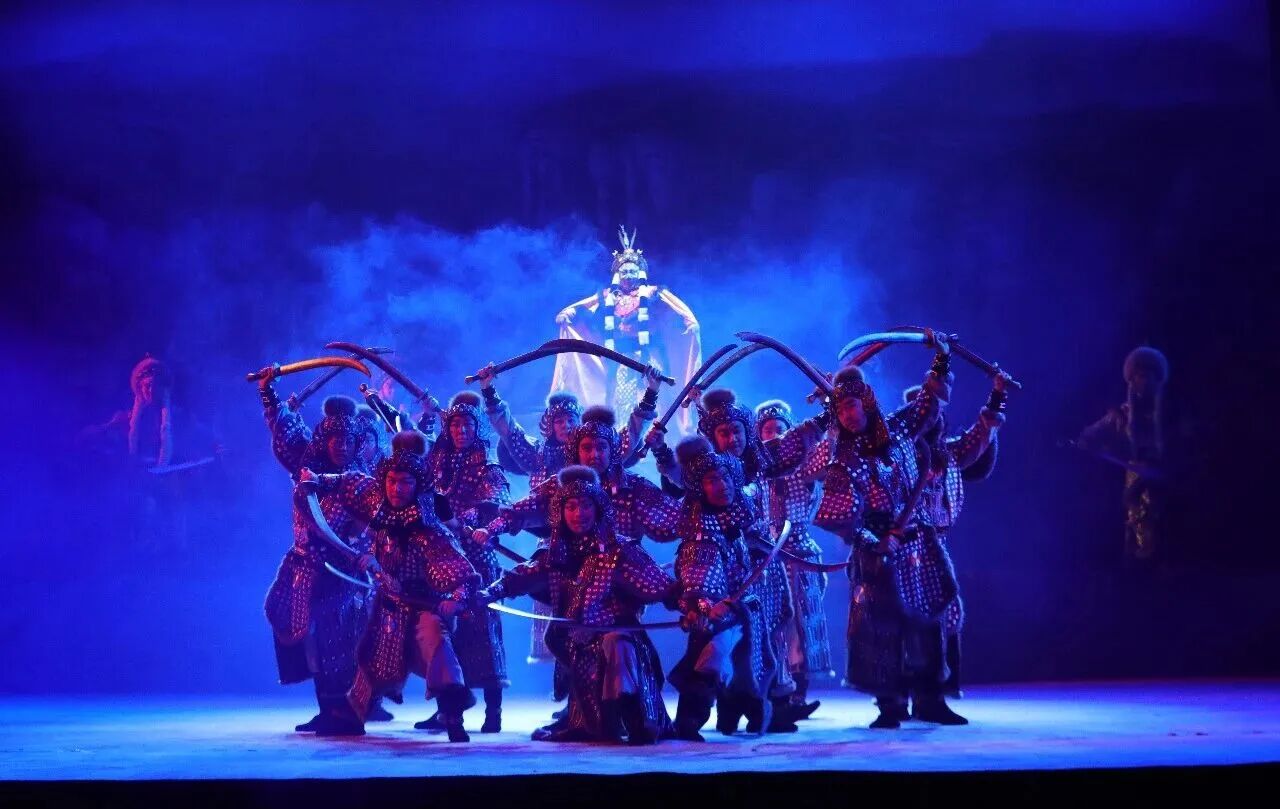
What Is a Strobe Light Effect?
A strobe light effect is created by emitting rapid, high-intensity flashes of light at controlled intervals. When these flashes occur at specific frequencies, they create dramatic visual impressions, making movement appear frozen, slowed down, or intensified.
Unlike continuous lighting, strobe fixtures are designed to produce short bursts of light rather than constant illumination.
Professional lighting consoles can precisely adjust:
- Flash frequency
- Flash duration
- Brightness
- Pulse patterns
- Random effects
- Fade-in and fade-out
- Synchronization with music or timecode
This flexibility allows lighting designers to create anything from subtle rhythmic accents to explosive visual climaxes.
How Does a Strobe Light Work?
Modern LED strobe effect lights use high-power LEDs combined with intelligent electronic drivers to produce extremely fast flashes without the limitations of traditional xenon lamps.
A typical workflow looks like this:
Lighting Control Console → DMX Signal → LED Driver → High-Speed Flash Output
The console sends DMX values that determine:
- Flash speed
- Light intensity
- Flash duration
- Color output (for RGB fixtures)
- Pixel effects
- Blinder mode
Professional LED strobes can respond instantly, making them ideal for synchronized performances.
Why Designers Use Strobe Lighting
Strobe lighting is not intended to illuminate a stage continuously. Instead, it is used strategically to enhance dramatic moments.
Professional lighting designers rely on strobe effects to:
- Increase audience excitement
- Highlight musical climaxes
- Create visual rhythm
- Simulate slow-motion movement
- Add energy to transitions
- Enhance electronic music performances
- Support synchronized video content
When used appropriately, strobe lighting becomes an emotional element of the performance rather than just another lighting effect.
Common Types of LED Strobe Effect Lights
1. Classic White LED Strobe
Designed primarily for high-intensity flashing effects.
Advantages
- Extremely bright output
- Fast response
- Low maintenance
- Energy efficient
Applications
- Concerts
- Festivals
- Sports events
2. RGB LED Strobe
RGB strobe fixtures combine flashing with full-color effects.
Benefits include:
- Color washes
- Dynamic flashes
- Rainbow effects
- Pixel programming
Ideal for:
- Nightclubs
- Television studios
- Live entertainment
3. Pixel Strobe Bars
Pixel bars divide the fixture into individually controllable LED segments.
This enables:
- Chases
- Wave effects
- Pixel mapping
- Animated graphics
These fixtures are increasingly popular in modern touring productions.
4. Hybrid Strobe & Blinder
Many professional fixtures combine strobe and blinder functions.
Advantages include:
- Audience lighting
- High-intensity flashes
- Warm white output
- RGB effects
This versatility reduces the number of fixtures required in a lighting rig.
Where Are Strobe Lights Used?
Concerts
Concert lighting often uses strobes during:
- Song intros
- Beat drops
- Guitar solos
- Final choruses
- Encore performances
Combined with Beam moving head lights and haze, strobes dramatically increase visual impact.
EDM Festivals
Electronic dance music events rely heavily on synchronized strobe lighting.
Fast flashes reinforce rhythm and create immersive experiences that energize audiences.
Television Productions
Television shows typically use strobes more subtly.
Applications include:
- Talent shows
- Music competitions
- Variety programs
- Award ceremonies
Flash rates are carefully controlled to ensure camera compatibility.
Theaters
Theater productions use strobe effects sparingly to depict:
- Lightning
- Explosions
- Dream sequences
- Supernatural scenes
- Dramatic transitions
Sports Events
Opening ceremonies and halftime shows frequently combine strobes with moving head lights and video displays to create large-scale visual spectacles.
How Strobe Lighting Works with Other Fixtures
| Fixture | Primary Function |
|---|---|
| Beam Moving Head Lights | Aerial beam effects |
| Spot Moving Head Lights | Gobo projection |
| Wash Lights | Stage illumination |
| Strobe Effect Lights | High-energy flashes |
| Blinder Lights | Audience engagement |
| LED Effect Lights | Creative visual effects |
This layered approach creates depth, rhythm, and visual balance.
Key Features to Consider When Choosing a Strobe Effect Light
Brightness
Higher output is essential for large venues and outdoor stages.
Flash Speed
Professional fixtures should offer a wide range of adjustable flash rates to accommodate different performance styles.
Pixel Control
Individually controllable LED zones allow designers to create advanced animations and pixel-mapped effects.
Color Mixing
RGB or RGBW color mixing expands creative possibilities beyond white flashes.
Blinder Function
A combined strobe/blinder fixture provides greater flexibility and reduces equipment requirements.
DMX Compatibility
Choose fixtures that support:
- DMX512
- RDM
- Art-Net (via network nodes)
- sACN
These protocols ensure seamless integration into professional lighting systems.
Programming Strobe Effects
Professional lighting consoles make it easy to program sophisticated strobe sequences.
Common programming techniques include:
Beat-Synchronized Flashing
Strobes flash in time with the music's BPM, reinforcing rhythm and audience engagement.
Build-Up Effects
Flash frequency gradually increases before a musical climax, creating anticipation.
Random Burst Effects
Irregular flashes add unpredictability and excitement.
Chase Sequences
Multiple strobe fixtures flash in sequence, creating movement across the stage.
Pixel Mapping
Each LED segment is controlled independently to generate animated patterns and graphics.
Common Mistakes When Using Strobe Lighting
Even experienced designers avoid overusing strobe effects. Common mistakes include:
❌ Excessive flashing that overwhelms the audience
❌ Using maximum brightness throughout the performance
❌ Ignoring synchronization with music
❌ Overlapping strobe effects with every lighting cue
❌ Using strobes without considering audience comfort and safety
The most effective strobe lighting enhances key moments rather than dominating the entire show.
Future Trends in Strobe Lighting
The latest generation of professional strobe fixtures continues to evolve.
Current trends include:
- Higher-output LED engines
- RGBW color mixing
- Pixel mapping
- IP66 waterproof designs
- AI-assisted effect generation
- Integration with media servers
- Network-based lighting control
These innovations give designers greater creative freedom while improving reliability and energy efficiency.
Frequently Asked Questions
What is a strobe light effect?
A strobe light effect is created by emitting rapid flashes of light that produce dramatic visual impressions and enhance rhythm, movement, and audience engagement.
What is the difference between a strobe light and a blinder?
A strobe light generates short, rapid flashes, while a blinder provides sustained, high-intensity illumination directed toward the audience. Many modern fixtures combine both functions.
Are LED strobe lights better than xenon strobes?
Yes. LED strobe lights consume less power, generate less heat, offer longer service life, and provide additional features such as RGB color mixing and pixel control.
Can strobe lights be synchronized with music?
Absolutely. Professional lighting consoles use DMX, timecode, or BPM-based programming to synchronize strobe effects with music and video.
Are strobe lights suitable for theaters?
Yes, but they are typically used sparingly for special effects such as lightning, explosions, or dramatic transitions rather than continuous flashing.
Can one fixture combine strobe and effect lighting?
Yes. Many professional LED fixtures integrate strobe, blinder, pixel mapping, and color effects into a single versatile unit.
Related Reading
Continue exploring professional stage lighting with these guides:
- Strobe Effect Light Application Guide: How to Enhance Atmosphere in Concerts and Music Festivals
- LED Effect Lights Explained: How to Create Stunning Stage Visual Effects
- Professional Lighting Console Explained: The “Brain” of Modern Stage Lighting Systems
- LED Moving Head Lights vs Traditional Moving Head Lights: Which Is Better for Modern Stage Lighting?
About FINE ART Lighting
FINE ART Lighting is a professional manufacturer of intelligent stage lighting equipment and entertainment technology solutions. With over 20 years of industry experience, we develop innovative lighting products for concerts, theaters, television studios, touring productions, rental companies, cultural tourism projects, and large-scale live events.
Our product portfolio includes:
- LED Moving Head Lights
- Beam, Spot, and Wash Moving Head Lights
- LED Strobe Effect Lights
- Pixel Effect Lights
- Professional Lighting Control Consoles
- Intelligent Follow Spot Systems
- IP66 Waterproof Stage Lighting
Designed for reliability, creativity, and performance, FINE ART Lighting products support DMX512, Art-Net, and sACN protocols, helping lighting professionals build visually stunning and efficient stage lighting systems worldwide.
Discover our complete range of professional lighting solutions at:
https://www.fineart-light.com/


