


How to Choose the Right LED Moving Head Light: Complete Buying Guide


As visual expectations continue to rise in concerts, theaters, television productions, music festivals, cultural tourism projects, and large-scale events, LED moving head lights have become one of the most important components of modern stage lighting systems.
However, with so many options available on the market, lighting designers, rental companies, venue operators, and project contractors often face a common challenge:
How do you choose the right LED moving head light for your specific application?
Different fixtures vary significantly in power output, optical systems, beam characteristics, color mixing technologies, protection ratings, and control capabilities. Selecting the wrong fixture can affect performance, increase operating costs, and limit creative possibilities.
This guide explains the key factors you should consider when selecting LED moving head lights and helps you identify the most suitable solution for your project.
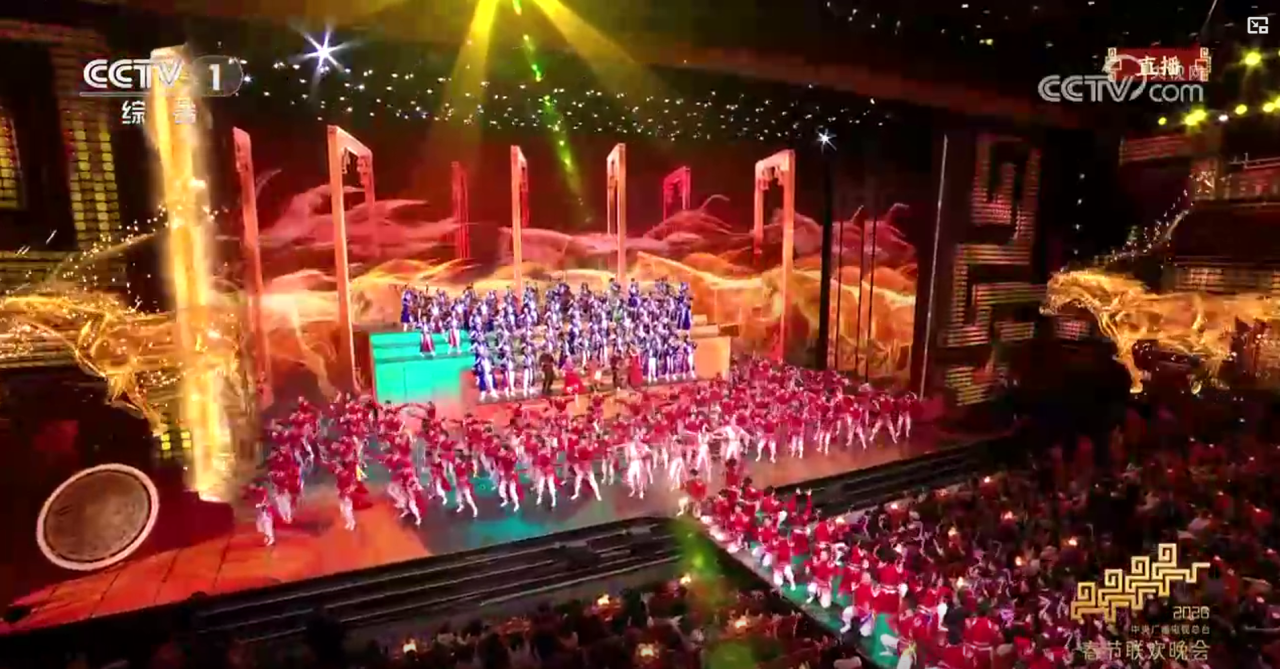
Why LED Moving Head Lights Have Become the Industry Standard
Compared with traditional discharge-lamp fixtures, LED moving head lights offer several advantages.
• Lower Energy Consumption
Modern LED light sources deliver high brightness while significantly reducing power usage.
• Longer Lifespan
Quality LED modules typically provide between 20,000 and 50,000 hours of operation.
• Enhanced Color Performance
Advanced RGBW and CMY color-mixing systems offer greater creative flexibility.
• Instant Start-Up
LED fixtures require no warm-up or cool-down period.
• Reduced Maintenance Costs
The absence of traditional lamps minimizes replacement and maintenance requirements.
Step 1: Define Your Application Requirements
Before comparing specifications, you should clearly identify your project type.
Different applications require different fixture characteristics.
Concerts and Music Festivals
Primary considerations:
· High brightness output
· Strong beam effects
· Long throw distance
· Dynamic programming capabilities
Recommended fixture types:
· Beam Moving Head Lights
· Beam Spot Wash Hybrid Fixtures
Related Reading:
· Beam vs Spot vs Wash Lights: Complete Stage Lighting Selection Guide
Theaters and Musicals
Primary considerations:
· High color rendering
· Smooth dimming
· Silent operation
· Precise gobo projection
Recommended fixture types:
· Spot Moving Head Lights
· Wash Moving Head Lights
Television Studios
Primary considerations:
· Camera compatibility
· Consistent color temperature
· Flicker-free operation
Recommended fixture types:
· LED Spot Fixtures
· LED Wash Fixtures
Outdoor Entertainment Projects
Primary considerations:
· IP66 protection
· Long-term reliability
· Weather resistance
Related Reading:
· Why IP66 Waterproof Stage Lighting Is Essential for Outdoor Events
Step 2: Choose the Appropriate Power Range
Many buyers assume that higher wattage automatically means better performance.
In reality, the ideal power level depends on venue size and application requirements.
200W–300W
Suitable for:
· Bars
· Small stages
· Wedding venues
· Conference rooms
Advantages:
· Lower investment cost
· Reduced power consumption
300W–500W
Suitable for:
· Medium-sized theaters
· Hotel ballrooms
· Corporate events
This range remains one of the most popular choices in the industry.
500W–800W
Suitable for:
· Concerts
· Touring productions
· Large live events
Advantages:
· Higher output
· Greater projection distance
800W and Above
Suitable for:
· Stadiums
· Large music festivals
· Outdoor main stages
Advantages:
· Exceptional brightness
· Maximum throw performance
Step 3: Select the Right Fixture Type
Different moving head lights are designed for different purposes.
Beam Moving Head Lights
Features:
· Intense beam effects
· Exceptional penetration
· Long-distance projection
Best for:
· Concerts
· Festivals
· Outdoor shows
Spot Moving Head Lights
Features:
· Advanced gobo projection
· Precise key lighting
Best for:
· Theaters
· Corporate events
· Television productions
Wash Moving Head Lights
Features:
· Wide color coverage
· Smooth atmospheric lighting
Best for:
· Stage backgrounds
· Scenic lighting
Beam Spot Wash Hybrid Fixtures
Features:
· Multiple functions in one fixture
· Greater flexibility
· Improved equipment utilization
Best for:
· Touring productions
· Rental companies
· Multi-purpose venues
Related Reading:
· Types of Moving Head Lights Explained: Beam, Spot, Wash and Hybrid Fixtures
Step 4: Evaluate Optical System Quality
The optical system directly affects lighting performance.
Key factors include:
• Beam Uniformity
A quality fixture should provide even light output without noticeable hot spots.
• Gobo Sharpness
Projection quality should remain crisp across different distances.
• Edge Definition
Well-designed optics produce clean and natural beam edges.
• Zoom Range
A wider zoom range offers greater versatility across applications.
Step 5: Assess the Color Mixing System
Color performance is critical for professional stage lighting.
RGBW Color Mixing
Suitable for most entertainment and event applications.
CMY Color Mixing
Commonly found in high-end professional fixtures.
Advantages:
· Smoother color transitions
· Expanded color palette
CTO Color Temperature Correction
Especially valuable for:
· Theaters
· Television studios
· Corporate presentations
Allows seamless adjustment between warm and cool white tones.
Step 6: Verify Control Protocol Compatibility
Modern lighting systems increasingly rely on network-based control.
Ensure the fixture supports:
DMX512
The industry-standard lighting control protocol.
Art-Net
Ideal for large-scale networked lighting systems.
sACN
Widely used in high-density lighting environments.
Related Reading:
· DMX512 Lighting Control Systems Explained
Step 7: Determine Whether IP Protection Is Required
Protection ratings are often overlooked during fixture selection.
Indoor Applications
Typically require:
· IP20
· IP44
Outdoor Applications
Recommended ratings:
· IP65
· IP66
Especially important for:
· Outdoor concerts
· Festivals
· Cultural tourism projects
· Sports events
IP66 fixtures provide excellent protection against rain, dust, and humidity.
Step 8: Consider Long-Term Operating Costs
Purchase price is only one part of the investment.
Other factors include:
· Product lifespan
· Spare parts availability
· Ease of maintenance
· Technical support
· System compatibility
Long-term operating costs often have a greater impact on return on investment than initial purchase costs.
Common Mistakes When Buying LED Moving Head Lights
Choosing the Highest Wattage Available
Higher power does not always mean better results.
Expecting One Fixture to Do Everything
Professional lighting systems typically combine multiple fixture types.
Using Indoor Fixtures Outdoors
This significantly increases maintenance risks and failure rates.
Focusing Only on Brightness
Optical quality, color performance, and reliability are equally important.
Future Trends in LED Moving Head Lights
The professional lighting industry continues to evolve toward:
· Higher-output LED engines
· Greater energy efficiency
· Full IP66 product portfolios
· Advanced network control
· AI-assisted programming
· Integration with media servers
· Virtual pre-visualization technologies
These innovations will further expand creative possibilities while improving operational efficiency.
Frequently Asked Questions
What applications are LED moving head lights used for?
They are commonly used in concerts, theaters, television studios, festivals, corporate events, and cultural tourism projects.
Does higher wattage always mean higher brightness?
Generally yes, but optical efficiency also plays a major role in overall performance.
What IP rating is recommended for outdoor events?
IP65 or IP66 fixtures are typically recommended.
What is the difference between DMX512 and Art-Net?
DMX512 is the traditional lighting control protocol, while Art-Net is designed for larger network-based lighting systems.
Are Hybrid moving head lights worth the investment?
For venues and rental companies that require maximum flexibility, Hybrid fixtures often provide excellent value and ROI.
Conclusion
Choosing the right LED moving head light requires balancing application requirements, fixture type, power output, optical quality, control compatibility, protection rating, and long-term operating costs.
A carefully planned lighting system will deliver better performance, greater reliability, and a stronger return on investment than simply selecting fixtures based on specifications alone.
For modern stage lighting projects, smart fixture selection is often the key to achieving outstanding visual results.
About FINE ART Lighting
FINE ART Lighting is a professional manufacturer specializing in stage lighting equipment and intelligent lighting control systems. The company offers a comprehensive range of LED moving head lights, waterproof stage lighting fixtures, professional lighting consoles, and integrated lighting solutions for entertainment and live event applications.
FINE ART products are widely used in concerts, theaters, television studios, music festivals, cultural tourism projects, and large-scale live productions worldwide. Through continuous innovation and strict quality control, FINE ART helps lighting professionals create exceptional visual experiences with reliable and high-performance lighting solutions.


