


How to Choose Stage Lighting for Outdoor Cultural and Tourism Events


Outdoor cultural and tourism events bring performances, public spaces, and local attractions together to create memorable visitor experiences. These projects may take place in scenic areas, historic districts, waterfront destinations, cultural parks, open-air theaters, or temporary event venues.
Unlike a conventional indoor performance, an outdoor event must account for changing ambient light, weather exposure, site restrictions, viewing distances, power availability, and the impact of lighting on the surrounding environment.
Choosing the right outdoor cultural event lighting therefore requires more than selecting bright fixtures. Project teams need to coordinate lighting effects, equipment suitability, installation conditions, control systems, and operational requirements from the planning stage.
This guide explains how to select and configure stage lighting for outdoor cultural and tourism events, helping event organizers, lighting designers, system integrators, and project buyers make informed decisions.
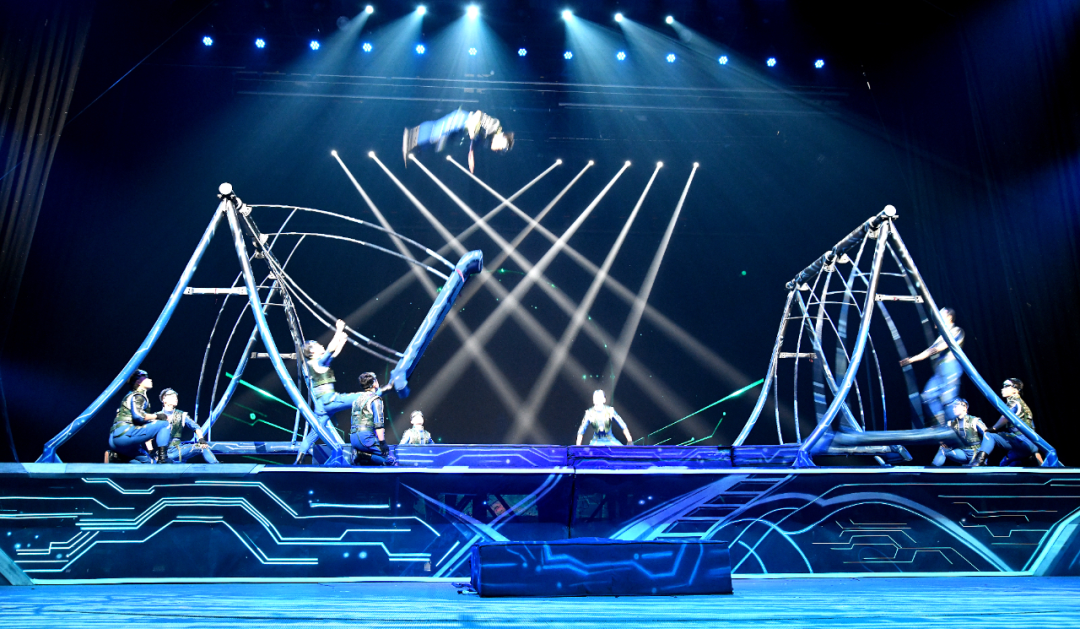
1. Understand the Requirements of the Event Site
Before selecting lighting fixtures, define the purpose of the event and evaluate the conditions at the installation site. A cultural performance in a historic courtyard has different requirements from a large outdoor concert in a tourism park.
Identify the type of event
Common applications include:
Open-air theater and cultural performances
Scenic-area evening shows
Tourism festivals and seasonal celebrations
Waterfront performances and public events
Cultural heritage presentations
Outdoor music and dance performances
Temporary stages at tourism destinations
Public celebrations and city cultural programs
Each application has its own balance of performance lighting, audience visibility, atmosphere, and environmental considerations.
For example, a dance performance may require clear performer visibility and coordinated movement effects. A scenic-area show may place greater emphasis on visual integration with the landscape. A temporary festival stage may prioritize fast installation, flexible fixture positioning, and straightforward operation.
Evaluate the site before finalizing the design
The initial site survey should identify the stage dimensions, audience locations, viewing distances, mounting positions, nearby structures, available power, cable routes, and restrictions on equipment installation.
Outdoor sites may also have uneven ground, limited vehicle access, vegetation, sensitive historic structures, or public circulation routes that affect equipment placement.
Documenting these conditions early helps prevent last-minute changes to the fixture layout and installation plan.
2. Select Lighting Fixtures According to Their Roles
A well-designed outdoor stage lighting system uses different fixture types to meet specific visual objectives. The correct combination depends on the performance, stage layout, audience distance, and available installation positions.
Moving head beam lights for aerial effects
Beam fixtures can create concentrated shafts of light, moving patterns, and high-impact visual effects. They may be useful for music performances, festival stages, and large-scale outdoor shows where the design calls for visible aerial effects.
Their effectiveness depends on the output, beam characteristics, atmospheric conditions, and viewing environment. Haze or other atmospheric effects should only be used where permitted and appropriate for the site.
When selecting beam fixtures, review their documented optical performance, movement functions, control requirements, and suitability for the expected operating environment.
Wash lights for stage coverage
Wash fixtures provide broader illumination for performers, stage areas, and scenic elements. They can help establish the overall color palette and create transitions between different performance scenes.
For outdoor cultural productions, consider how the wash coverage relates to stage width, performer movement, audience sightlines, and the required color appearance.
The fixture's zoom range, output, color control, and mounting position should be evaluated together rather than considered independently.
Spot and profile fixtures for controlled illumination
Spot or profile fixtures can provide more focused lighting for performers, presenters, and selected stage elements. Depending on the model, profile fixtures may also support framing or pattern projection.
These functions should be verified against the manufacturer's actual specifications. Not every moving head or spot fixture includes framing shutters or the same optical capabilities.
Effect lights for visual accents
Effect fixtures can add texture, movement, and rhythm to performances. They may be used to emphasize musical transitions, support choreography, or create distinctive visual moments.
Their use should support the overall production rather than overwhelm the performers or compete with important scenic features.
A practical selection process begins with the visual objectives, then matches fixture functions to those objectives. This helps avoid unnecessary equipment and simplifies programming.
3. Consider Weather Exposure and Outdoor Operating Conditions
Weather protection is an important part of outdoor lighting procurement, but it should be assessed in the context of the complete installation.
A fixture that is appropriate for a sheltered outdoor stage may not be suitable for a permanently exposed location or a site with frequent heavy rain.
Verify the required ingress protection rating
Review the fixture's documented IP rating and confirm that it matches the anticipated exposure and the manufacturer's permitted installation conditions.
An IP rating describes protection against the ingress of solid objects and water under defined test conditions. It does not automatically establish resistance to every combination of rain, wind-driven water, condensation, dust, or temperature extremes.
Do not select a fixture based on the IP number alone. Check the product documentation for any installation restrictions and environmental limitations.
Check temperature and ventilation requirements
Outdoor sites can experience substantial temperature changes. The equipment must operate within the temperature range specified by the manufacturer.
Follow the prescribed ventilation, clearance, and mounting requirements. Avoid installation arrangements that obstruct cooling or expose fixtures to unapproved heat sources.
Review connectors, cables, and installation details
The complete electrical and control installation must be suitable for the outdoor environment. Confirm the required cable types, connectors, enclosures, and protection measures with qualified technical personnel.
Power connections and cable routes should be planned to reduce exposure to water, mechanical damage, and public access. Any temporary electrical installation must follow applicable local requirements.
Prepare for changing weather
The operating plan should define how the production team responds to rain, strong winds, lightning, or other adverse conditions.
Follow the fixture manufacturer's instructions, venue procedures, and applicable safety requirements. An outdoor-rated fixture does not make an unsafe installation acceptable, and electrical equipment should not be handled in wet conditions unless the specific procedures and equipment are designed for that work.
4. Balance Stage Visibility with the Surrounding Landscape
Outdoor cultural and tourism events often take place in environments that are part of the visitor experience. Lighting should support the performance while respecting the site's architectural, cultural, and environmental character.
Control brightness and glare
Excessive brightness can reduce visual comfort, obscure details, or distract the audience from the performance. Carefully aim fixtures and evaluate their intensity from important viewing positions.
Pay particular attention to audience sightlines, nearby buildings, residential areas, roads, and other sensitive locations.
Use color with a clear design purpose
Color can help establish the mood of a performance, distinguish scenes, and reinforce the identity of an event. However, large areas of saturated color may not be appropriate for every cultural setting.
Develop a coherent palette that supports the artistic direction and the character of the location. When illuminating historic buildings or culturally significant structures, follow the relevant conservation guidance and project approvals.
Avoid unnecessary spill light
Light that falls outside the intended performance area can affect surrounding habitats, nearby properties, and the night-time appearance of the site.
Use careful fixture positioning, appropriate beam control, and the lowest practical output that achieves the intended visual result. For sensitive environments, consult the project team about curfews, restricted directions, and limits on illumination.
5. Design for Different Viewing Distances and Audience Areas
Outdoor venues often have deeper audience areas and less predictable viewing positions than indoor theaters. A lighting design that looks balanced near the stage may not provide the same visual experience from the rear of the audience.
Match fixture performance to the viewing distance
Review the beam angle, output, mounting height, throw distance, and required coverage together.
Narrower beams can concentrate light over longer distances, while wider beams can provide broader coverage. The correct choice depends on the fixture's photometric performance and the specific application.
Avoid selecting fixtures by wattage alone. Photometric data, beam distribution, mounting geometry, and actual aiming requirements provide a more useful basis for comparison.
Consider performer visibility
Lighting should support the audience's ability to see performers clearly without creating uncomfortable glare or distracting reflections.
Evaluate the stage from multiple audience positions. If the performance includes presenters, dancers, musicians, or moving performers, consider how the lighting must respond to their movement and the changing scene.
Plan for audience movement and public access
Some tourism events combine a central stage with surrounding public spaces, walking routes, or secondary performance areas.
Ensure that fixtures, stands, cables, and equipment cases do not create avoidable hazards or block required access. Coordinate all equipment positions with the venue's crowd-management and emergency-access plans.
6. Plan Lighting Control for Multi-Scene Performances
Outdoor cultural productions may include music, dance, narration, projection, water features, or several performance segments. Lighting control should allow the operator to coordinate these elements without creating unnecessary complexity.
Organize fixtures into functional groups
Group fixtures according to their role, position, or performance area. For example, the system may use separate groups for front lighting, overhead effects, background washes, and scenic accents.
A clear grouping structure makes it easier to adjust individual areas and create repeatable looks.
Prepare cues for transitions
Pre-programmed cues can support scene changes, performer entrances, musical transitions, and closing sequences.
The cue structure should reflect the actual production schedule. Essential cues should be tested before the event, including transitions that depend on precise timing or coordination with other systems.
Verify protocol and equipment compatibility
Confirm the control method supported by each fixture and the capabilities of the console and distribution equipment.
DMX512 is widely used for fixture control, while network-based systems may be appropriate for larger or more complex installations. The correct solution depends on the required channel capacity, topology, equipment compatibility, and operating workflow.
Where lighting needs to synchronize with audio, video, projection, or other show systems, confirm the necessary interfaces and timing arrangements before installation.
Prepare for practical operation
The operator should be able to identify key fixture groups and trigger essential cues reliably. Clear documentation, an approved show file, and a defined procedure for recovering from control problems can help the team manage live performance conditions.
7. Address Power, Rigging, and Installation Requirements
Lighting design decisions must remain compatible with the physical and electrical conditions of the site.
Calculate power requirements
Prepare an equipment schedule that records the relevant power requirements for the proposed fixtures and supporting systems. Qualified personnel should review the expected loads, distribution arrangements, protective devices, and available supply.
Do not assume that a venue's existing power infrastructure can support the entire proposed rig. Confirm the actual capacity and connection requirements before finalizing the equipment order.
Verify mounting and structural capacity
Trusses, stands, towers, and other support structures must be appropriate for the equipment and installation conditions.
Outdoor installations may be affected by wind loads and other environmental forces. Structural arrangements should be reviewed by qualified professionals according to the site conditions and applicable requirements.
Plan installation access and cable routes
Consider the time and equipment required to reach each mounting position. Where possible, coordinate installation sequences with the event schedule and the venue's access arrangements.
Cables should be routed and protected to reduce trip hazards, mechanical damage, and interference with public access. All temporary installations should be inspected before the site opens to performers or visitors.
8. Improve Operational Reliability and Maintenance
A successful event depends on more than the initial installation. Equipment must remain functional throughout rehearsals, performances, and any required dismantling or relocation.
Test fixtures before the event
Before the production begins, verify the essential functions of the selected fixtures. Depending on the equipment, this may include movement, dimming, color, zoom, focus, effects, control response, and any other functions used in the show.
Test the programmed cues in the actual venue whenever possible. This helps identify issues that may not be apparent during a bench test or in a different environment.
Keep spare equipment and components available
Identify which fixtures or components are critical to the production. Determine whether a spare fixture, replacement cable, compatible accessory, or documented alternative cue is the most appropriate response to a potential failure.
The backup strategy should reflect the event's scale, operating schedule, equipment availability, and the impact of losing a particular function.
Document inspections and repairs
Record recurring faults, maintenance activities, and replacement parts. Follow the manufacturer's guidance for cleaning, storage, servicing, and transport.
After the event, inspect equipment before packing it away, especially if it has been exposed to dust, moisture, or difficult site conditions. Any necessary service should be completed before the equipment is deployed again.
9. How to Evaluate Outdoor Stage Lighting Suppliers
For project buyers, supplier selection should consider technical suitability, documentation, delivery planning, and after-sales support.
Before confirming an order, ask the supplier to clarify the following.
Product specifications: Are the optical data, power requirements, control modes, dimensions, weight, and environmental ratings documented?
Outdoor suitability: Does the proposed fixture match the anticipated exposure and the manufacturer's permitted operating conditions?
Control compatibility: Can the fixtures operate with the proposed console and distribution system? Are the necessary fixture profiles and control details available?
Quality assurance: What functional tests and inspection procedures are completed before shipment? Can the supplier explain its quality-control process?
Delivery and project coordination: Can quantities, lead times, packaging, and technical documentation be confirmed in writing?
Warranty and technical support: Are warranty terms, replacement components, repair arrangements, and support responsibilities clearly defined?
Application experience: Can the supplier provide relevant product information or project examples that help the buyer assess suitability for the intended application?
For larger installations, compare supplier proposals against the same technical specification. This reduces the risk of evaluating products based on inconsistent assumptions or incomplete quotations.
10. Outdoor Cultural Event Lighting Procurement Checklist
Use the following checklist during project planning and equipment selection.
-
Define the event type, artistic objectives, and audience areas.
-
Survey the site, stage dimensions, mounting positions, and viewing distances.
-
Select fixture types according to their intended visual roles.
-
Verify optical performance and photometric information.
-
Confirm the IP rating and permitted environmental operating conditions.
-
Review power, cabling, control compatibility, and installation requirements.
-
Assess glare, spill light, nearby properties, and environmental sensitivity.
-
Prepare fixture schedules, layouts, control groups, and show cues.
-
Confirm rigging capacity and temporary installation safety.
-
Test essential fixture functions and cues before the event.
-
Identify critical spare equipment and contingency procedures.
-
Confirm delivery, warranty, technical support, and maintenance arrangements.
The checklist should be adapted to the actual venue, event format, and local regulations. It is a planning aid rather than a substitute for engineering review or site-specific safety procedures.
Frequently Asked Questions
What lighting equipment is commonly used for outdoor cultural events?
Depending on the production, outdoor cultural events may use moving head beam lights, wash fixtures, spot or profile lights, and LED effect fixtures. The appropriate combination depends on the stage layout, viewing distance, artistic objectives, weather exposure, and control requirements.
How do I choose stage lighting for a tourism attraction?
Start by identifying the performance type, visitor viewing positions, site restrictions, and the visual role of the lighting. Then evaluate fixture performance, environmental suitability, control requirements, installation conditions, and the impact of light on nearby buildings and natural surroundings.
What IP rating should outdoor stage lighting have?
There is no single IP rating that is suitable for every outdoor project. The required rating depends on the anticipated exposure, installation method, and manufacturer's permitted operating conditions. Buyers should evaluate the complete fixture specification rather than relying on the IP rating alone.
How can outdoor stage lighting reduce light pollution?
Use appropriate beam control, careful aiming, suitable output levels, and clear boundaries for illuminated areas. Avoid directing light into nearby homes, roads, sensitive habitats, or areas that do not need illumination. Project teams should also follow applicable local lighting and environmental requirements.
What should be considered when designing lighting for an outdoor cultural performance?
Key considerations include the event's artistic objectives, stage and audience geometry, fixture selection, environmental exposure, power and rigging, control integration, glare, spill light, maintenance, and emergency procedures.
Why is control planning important for outdoor cultural events?
Control planning helps the operator coordinate fixture groups, repeat programmed scenes, and manage transitions throughout the performance. It also makes the system easier to test and troubleshoot before the audience arrives.
Conclusion
Choosing stage lighting for outdoor cultural and tourism events requires a coordinated approach to creative design, fixture selection, environmental suitability, control planning, and site safety.
By evaluating the venue early, selecting equipment according to its actual function, documenting the control workflow, and confirming installation requirements, project teams can build a lighting system that supports the performance while respecting the surrounding environment.
For event organizers, designers, contractors, and equipment buyers, a clear specification and a reliable supplier relationship are essential to achieving consistent results across outdoor cultural performances and tourism destinations.
About FINE ART
FINE ART is a professional stage lighting brand serving stage lighting and performance applications. For outdoor cultural and tourism projects, equipment selection should be based on verified product specifications, environmental requirements, control compatibility, and the needs of the actual installation.
Contact FINE ART to discuss your stage lighting requirements and request product information for your next professional lighting project.


