


How to Configure Concert Tour Lighting Rigs for Faster Setup and Consistent Shows


A successful concert tour depends on more than powerful lighting fixtures and creative programming. Every venue presents different rigging conditions, stage dimensions, power arrangements, and production schedules. Lighting teams must reproduce the intended visual experience while adapting to these changing conditions and working within tight load-in and soundcheck windows.
Well-planned concert tour lighting rigs help production teams standardize equipment, simplify installation, maintain consistent lighting looks, and reduce avoidable technical problems between tour stops.
For touring production companies, lighting designers, rental providers, and technical managers, the goal is to build a lighting configuration that balances creative flexibility with repeatability, transport efficiency, and operational reliability.
This guide explains how to plan and configure touring lighting rigs, from fixture selection and system standardization to control workflows, backup planning, and supplier evaluation.
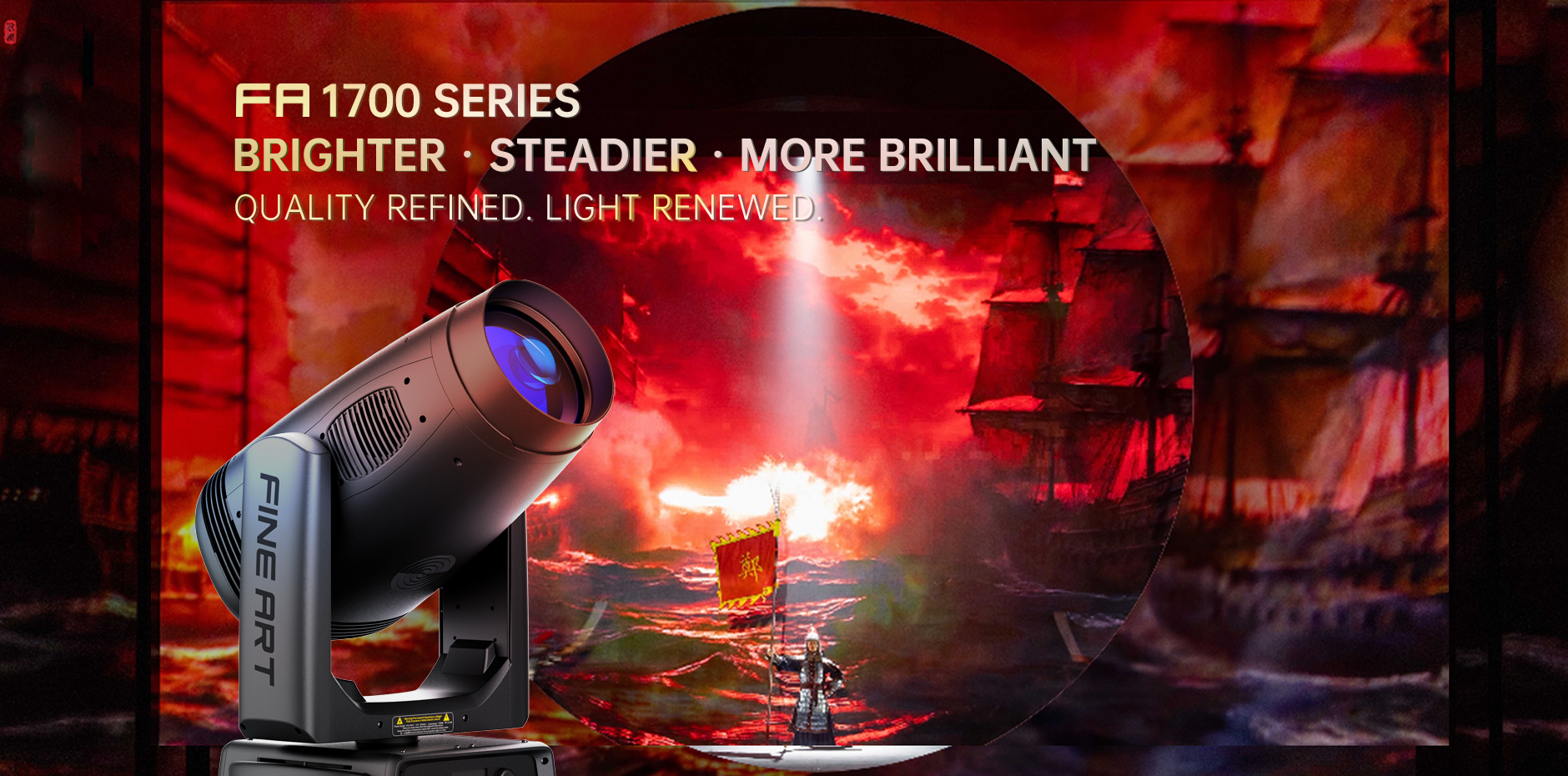
1. What Makes a Concert Tour Lighting Rig Different?
A fixed venue installation is usually designed around a relatively stable stage, rigging structure, and control environment. A touring system must work across multiple venues, each with its own technical limitations.
A typical touring lighting rig may include:
Moving head fixtures for beams, aerial effects, and stage movement
Wash fixtures for broad coverage and color mixing
Spot or profile fixtures for focused effects and performer highlighting
LED effect fixtures for visual accents and dynamic sequences
Lighting consoles and compatible control equipment
Data distribution, cabling, power distribution, and rigging accessories
Spare fixtures and essential replacement components
The exact configuration depends on the production scale, artistic direction, venue requirements, transport capacity, and available infrastructure.
The most effective touring setup is not necessarily the one with the largest fixture count. It is the one that can deliver the required visual results consistently, within the available setup time and technical constraints.
2. Start with a Standardized Lighting Design
Standardization is one of the most important principles in touring production. When fixture positions, equipment roles, addressing conventions, and control structures are documented consistently, the crew can repeat essential tasks at each venue instead of rebuilding the workflow from scratch.
Define fixture roles before selecting quantities
Begin by identifying what each fixture group needs to achieve.
Beam fixtures can create aerial effects, sharp visual lines, and high-impact moments during musical transitions. They are often used for energetic sequences where the audience needs to perceive movement and structure.
Wash fixtures provide broader stage coverage and help establish the overall color, atmosphere, and visual balance of a performance.
Spot and profile fixtures can create more controlled illumination, defined shapes, and focused visual accents when the production calls for them. Confirm the required optical functions and framing capabilities against the actual fixture specifications.
Effect fixtures add texture, rhythm, and distinctive visual elements. Their role should complement the main lighting design rather than introduce unnecessary complexity.
These roles can overlap depending on the equipment selected. Hybrid fixtures may reduce the number of fixture types required, but their suitability should be assessed against the actual show requirements.
Establish a repeatable rig layout
Where practical, use a consistent arrangement of fixture groups across the tour. For example, the production may define separate positions for front lighting, overhead effects, side lighting, and rear-stage effects.
A documented layout helps the crew understand where equipment belongs, how each group is used, and which positions are essential to the show.
The design should also distinguish between the standard rig and optional venue-dependent positions. This makes it easier to adapt when a venue cannot accommodate the full touring configuration.
3. Choose Fixtures Based on Touring Requirements
Fixture selection affects creative output, transportation, installation, maintenance, and the time required to prepare each show.
Rather than selecting equipment solely by output or feature count, evaluate how well each fixture supports the tour's operating conditions.
Optical performance and visual consistency
Consider beam characteristics, zoom range, color quality, focus control, movement, and the visual effects required by the production.
Fixtures serving the same role should deliver sufficiently consistent results for the lighting design. Mixing different models may be practical, but it can require additional programming and adjustment to maintain a balanced appearance.
Weight, dimensions, and transport
Touring equipment must fit within the available cases, trucks, storage areas, and handling procedures. Fixture weight and dimensions can affect loading plans, installation time, and rigging calculations.
Review the complete transport and installation requirements rather than assessing a fixture in isolation.
Reliability and serviceability
A touring fixture may be used frequently under demanding schedules. Look for clear maintenance procedures, accessible service information, appropriate spare parts, and dependable technical support.
Also review the manufacturer's warranty terms and service arrangements before placing a large order.
Environmental suitability
Indoor arena tours and outdoor festival tours may have different requirements. For outdoor dates, evaluate the fixture's documented ingress protection rating, permitted operating conditions, temperature range, and installation requirements.
An IP rating alone does not establish that a fixture is suitable for every outdoor environment. Follow the manufacturer's instructions and verify the actual exposure conditions at each venue.
4. Build a Repeatable Control and Programming Workflow
A consistent control workflow allows the lighting team to reproduce cues and effects without unnecessary reconfiguration at every stop.
Standardize addressing and fixture profiles
Create a documented fixture schedule that identifies each fixture or group, its assigned address, operating mode, position, and control requirements.
Use the correct fixture profile for the selected equipment and confirm that the console configuration matches the fixture's actual DMX mode or supported control protocol.
Changes in fixture models, modes, or channel assignments should be recorded and tested before the production travels to the next venue.
Organize fixtures into logical groups
Group fixtures according to their physical position, function, or role in the show. Depending on the production, these groups might include overhead beams, rear washes, side effects, and performer-focused fixtures.
Consistent grouping helps programmers locate the required fixtures quickly and reduces the risk of confusion during live operation.
Keep show files and documentation organized
Maintain controlled versions of console show files, fixture schedules, patch lists, stage plots, and relevant configuration notes.
Back up files in accordance with the production team's data-management procedures. Clearly identify the approved show file and document any venue-specific changes so the next stop does not inherit undocumented modifications.
Test the complete control path
Before the performance, check the signal path from the control position to the fixtures. Verify addressing, fixture response, movement, dimming, color, and the cues that are most important to the production.
For larger or more complex rigs, confirm that the distribution architecture, network configuration, and backup arrangements are appropriate for the system being used.
DMX512, Art-Net, sACN, and other control methods are not interchangeable in every situation. Select compatible equipment and confirm the required interfaces and configuration before deployment.
5. Plan for Different Venues Without Losing the Show's Identity
Touring productions rarely encounter identical venues. Stage width, trim height, truss positions, sightlines, rigging capacity, and available power may change from one performance to the next.
A flexible touring lighting setup should define which elements must remain consistent and which can be adapted.
Separate essential positions from optional positions
Identify the fixture positions that are critical to the show's visual identity. These may support key aerial effects, essential performer illumination, or major lighting transitions.
Other positions can be designated as optional or venue-dependent. This gives the crew a clear framework for adapting the rig when space or infrastructure is limited.
Prepare alternative layouts
For venues with different stage dimensions or rigging arrangements, prepare approved alternative layouts where possible. Each version should identify fixture positions, patch changes, and any programming adjustments that may be necessary.
Lighting designers and technical managers should review significant changes before they are implemented. A smaller venue should not automatically receive the full large-venue configuration if doing so creates sightline, rigging, or operational problems.
Verify rigging and power requirements
Never assume that a venue can support the same configuration as the previous stop. Confirm the available rigging capacity, suspension points, power distribution, circuit loading, and installation restrictions with the venue's technical team.
Rigging plans and electrical arrangements should be reviewed by appropriately qualified personnel. Equipment selection and creative goals must remain within the venue's verified limits and applicable safety requirements.
6. Reduce Load-In Time with Better Preparation
Short setup windows can put pressure on touring crews, especially when a production moves between cities on consecutive days.
The best way to accelerate installation is to remove uncertainty before the equipment reaches the venue.
Useful preparation measures include:
Prepare clear stage plots, fixture schedules, and patch documentation.
Label fixtures, cables, cases, and accessories consistently.
Organize equipment by installation sequence or rig position.
Verify fixture operation and control response before dispatch.
Prepare the required console files and confirm their compatibility.
Identify critical spare fixtures and replacement components.
Coordinate rigging, power, and access requirements with the venue in advance.
Pre-rigged systems or standardized truss packages may help some productions, provided they are compatible with the venue and have been properly reviewed for transport, rigging, and installation.
Avoid relying on undocumented workarounds to save time. A repeatable process with clear responsibilities is generally more sustainable than a fast installation that creates troubleshooting problems during rehearsal.
7. Build a Practical Backup and Maintenance Plan
A single fixture failure can affect a key visual moment. The potential impact depends on the fixture's role, the redundancy in the design, and the production's ability to respond.
Backup planning should focus on the consequences of failure rather than applying the same spare ratio to every fixture type.
Prioritize critical equipment
Identify fixtures and system components whose failure would have a significant effect on the show. Determine which items require a spare, which can be covered by an alternative fixture group, and which can be addressed through a documented fallback cue.
The appropriate backup quantity depends on the size of the rig, the tour schedule, access to replacement equipment, and the consequences of a failure.
Inspect equipment before and after transport
Use a consistent inspection process to identify visible damage, loose components, connector problems, and other issues that may arise during handling.
Follow the manufacturer's instructions for cleaning, servicing, storage, and transportation. Keep a record of recurring faults and repairs so the technical manager can identify equipment that needs attention before the next departure.
Confirm support arrangements
Before purchasing touring fixtures, ask the supplier about spare-part availability, repair procedures, technical documentation, warranty coverage, and support response expectations.
For international tours, consider how replacement parts and technical assistance will be provided across different countries and time zones.
8. Evaluate the Total Cost of a Touring Lighting Rig
The initial fixture price is only one part of the total cost of a touring system.
A useful purchasing evaluation should also consider:
Transport cases, packing volume, and shipping requirements
Installation labor and time spent on venue adaptation
Power and control infrastructure
Routine maintenance and replacement components
Programming effort when equipment configurations change
Warranty terms and after-sales support
Expected service life and future system expansion
A lower-priced fixture may be appropriate for a particular application, but the decision should account for the complete operating model. Conversely, a more advanced fixture is not automatically the best option if its additional functions are unnecessary for the production.
Compare equipment using the same set of technical and commercial criteria. This makes supplier quotations easier to evaluate and helps the production team understand the trade-offs between cost, performance, and operational flexibility.
9. How to Choose a Supplier for Concert Tour Lighting Equipment
The supplier should be evaluated not only on individual fixtures but also on its ability to support the production's technical and commercial requirements.
Before confirming an order, consider the following questions:
Product suitability: Can the supplier provide documented specifications for the required fixture types, optical performance, control modes, dimensions, weight, and environmental ratings?
Configuration support: Can the supplier help clarify compatibility, fixture modes, control requirements, and equipment selection for the proposed rig?
Quality assurance: What inspection and functional-testing procedures are used before shipment? Can the supplier explain its quality-control process?
Delivery planning: Can production schedules, quantities, packaging, and shipping requirements be confirmed in writing?
Service and spare parts: Are maintenance information, replacement components, warranty conditions, and technical support arrangements clearly defined?
Project communication: Can the supplier respond clearly to technical questions and provide the documentation needed by lighting designers, rental companies, and production managers?
For larger orders, request a detailed quotation and verify the proposed equipment against the production's approved specifications before committing to the final configuration.
10. Concert Tour Lighting Rig Checklist
Use this checklist during planning and pre-deployment reviews.
-
Define the visual objectives and essential lighting positions.
-
Confirm fixture types, quantities, and intended roles.
-
Check dimensions, weight, transport cases, and handling requirements.
-
Document fixture modes, addresses, and console profiles.
-
Prepare stage plots, patch lists, and approved alternative layouts.
-
Verify rigging capacity, power availability, and control infrastructure for each venue.
-
Test fixtures, movement, dimming, colors, and critical cues before dispatch.
-
Back up approved show files and technical documentation.
-
Identify critical spare fixtures and replacement components.
-
Confirm supplier support, warranty, and delivery arrangements.
-
Review the installation and inspection process with the crew.
A completed checklist cannot replace professional engineering reviews or venue-specific safety checks. It provides a practical framework for reducing omissions and making touring preparation more consistent.
Frequently Asked Questions
What should a concert tour lighting rig include?
A concert tour lighting rig may include moving head beam, spot, wash, and profile fixtures, LED effect lights, lighting control equipment, cabling, power distribution, rigging accessories, and spare components. The exact configuration depends on the production's creative requirements, venue conditions, and budget.
How can touring lighting crews reduce setup time?
Standardized fixture layouts, consistent labeling, prepared console files, documented patch lists, pre-deployment testing, and advance coordination with venues can reduce avoidable setup work. The crew should also define which rig positions are essential and which can be adapted to different stages.
How do lighting teams maintain consistent looks across venues?
They use repeatable fixture roles, documented positions, consistent control conventions, approved show files, and a clear process for venue-specific changes. Lighting designers may still need to adjust focus, positioning, intensity, and other parameters to suit the actual stage.
What should buyers consider when choosing touring stage lights?
Buyers should evaluate optical performance, fixture functions, weight, dimensions, power requirements, control compatibility, reliability, serviceability, spare-part availability, and supplier support. The best choice depends on how the equipment will be used throughout the tour.
Are IP-rated moving head lights suitable for every outdoor concert?
No. An ingress protection rating describes specific protection against dust and water under defined test conditions; it does not guarantee suitability for every weather condition or installation. Buyers should verify the manufacturer's instructions, permitted operating conditions, and the actual exposure expected at each venue.
Why are spare fixtures important for touring productions?
Spare fixtures and documented fallback plans can reduce the effect of equipment failures during rehearsals and performances. The appropriate backup strategy depends on the criticality of each fixture, the production schedule, and the availability of repair or replacement equipment.
Conclusion
Configuring reliable concert tour lighting rigs requires a balance of creative performance, equipment standardization, control consistency, venue adaptability, and practical maintenance planning.
By defining fixture roles early, documenting repeatable configurations, preparing alternative layouts, and evaluating suppliers beyond the initial purchase price, touring production teams can create a lighting setup that is easier to deploy and maintain across multiple venues.
For professional lighting designers, rental companies, and touring production teams, selecting equipment that fits the actual show requirements is the foundation of a dependable touring workflow.
About FINE ART
FINE ART is a professional stage lighting brand focused on stage lighting equipment and related professional lighting solutions. When planning a touring lighting rig, production teams should evaluate fixture specifications, control compatibility, operating requirements, and technical support according to their project needs.
Contact FINE ART to discuss your stage lighting requirements, equipment configuration, and product specifications for professional performance applications.


