


DMX512 Lighting Control System Explained: The Core Technology Behind Modern Stage Lighting


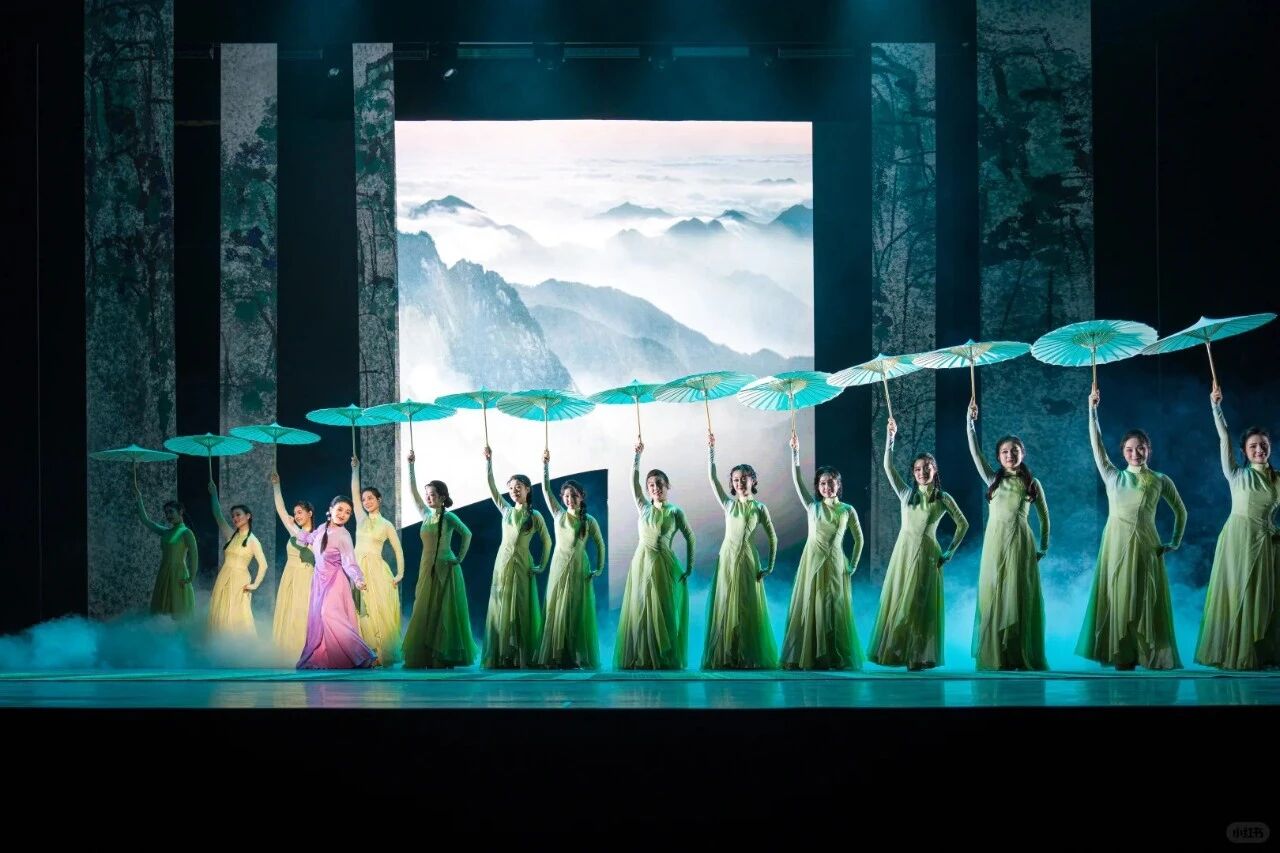
In modern live productions, audiences are often amazed by spectacular lighting effects, dynamic movements, and synchronized visual performances. However, behind every professional stage lighting show is a powerful control system that makes all these effects possible.
Whether in concerts, theaters, television studios, cultural tourism projects, or large-scale live events, the DMX512 lighting control system has become the foundation of modern stage lighting technology.
DMX512 not only controls fixture movement, color changes, dimming, and effects, but also ensures synchronization, stability, and precision across the entire lighting system.
Today, DMX512 is considered one of the most important technologies in the professional entertainment lighting industry.
This article explains how DMX512 works, why it is essential for stage lighting, and how it supports modern lighting control systems.
What Is DMX512?
DMX512 stands for:
Digital Multiplex 512
It is an internationally recognized digital communication protocol used for:
• Stage lighting control
• Entertainment equipment communication
• Lighting data transmission
• Intelligent fixture synchronization
Originally developed by the United States Institute for Theatre Technology (USITT), DMX512 has evolved into the global standard protocol for professional stage lighting systems.
Today, almost all professional lighting fixtures support DMX512 control, including:
• LED moving head lights
• Beam lights
• Wash fixtures
• Spot lights
• Laser systems
• Fog machines
Why Is DMX512 So Important?
Modern productions often involve dozens or even hundreds of lighting fixtures operating simultaneously.
Without a standardized control system:
• Fixtures cannot synchronize properly
• Lighting effects become inconsistent
• Complex programming becomes impossible
DMX512 solves these challenges by providing a unified communication system for all lighting equipment.
Key Advantages of DMX512
✔ Centralized Lighting Control
Lighting operators can manage all fixtures from a single console.
✔ Precise Synchronization
All fixtures can perform synchronized movements and effects.
✔ Support for Complex Lighting Effects
Including:
• Dynamic movement effects
• Color transitions
• Fixture positioning
• Gobo changes
• Music-synced lighting sequences
✔ Flexible System Expansion
Additional fixtures can easily be added to the system.
How Does DMX512 Work?
DMX512 is essentially a digital data transmission system.
A lighting console continuously sends digital control signals to connected fixtures, and the fixtures respond according to the received data.
Basic DMX512 Workflow
Lighting Console
↓
DMX Signal Output
↓
DMX Cable Transmission
↓
Lighting Fixture Receives Data
↓
Fixture Executes Commands
For example, the lighting console may send information related to:
• Brightness
• Color
• Pan and tilt movement
• Gobo selection
• Effect speed
The fixture then performs these actions in real time.
What Are DMX Channels?
DMX channels are one of the most important concepts in a DMX512 lighting system.
Each fixture function requires one or more dedicated control channels.
Simple Example of DMX Channels
A professional LED moving head fixture may use channels such as:
Function |
Channel |
Dimmer |
1 |
Color |
2 |
Pan Movement |
3 |
Tilt Movement |
4 |
Gobo Selection |
5 |
This means the lighting console controls each function separately through different DMX channels.
Why Is It Called DMX512?
Because one DMX Universe supports up to:
512 control channels.
For example:
If one fixture uses 16 channels:
512 ÷ 16 = 32 Fixtures
One Universe can theoretically control 32 fixtures.
What Is a DMX Address?
Every lighting fixture requires a:
DMX Address
This address functions like a device ID within the system.
Why Are DMX Addresses Important?
The lighting console must know which fixture should receive specific control data.
Example of DMX Addressing
Suppose:
Fixture 1 starts at address:
001
and occupies 16 channels.
Then:
Fixture 2 would typically start at:
017
This prevents signal overlap between fixtures.
Why Modern Stage Lighting Depends on DMX512
Modern entertainment lighting systems are far more advanced than simple illumination setups.
Examples include:
• Concert lighting shows
• Music festival effects
• Television broadcast lighting
• Immersive tourism performances
These productions require:
✔ Precise control
✔ Real-time response
✔ Multi-device synchronization
DMX512 provides the foundation for all these capabilities.
Applications of DMX512 in Different Productions
1. Concerts
Large concerts often involve:
• Hundreds of fixtures
• Dynamic movement effects
• Music-synchronized programming
DMX systems allow centralized programming and automation.
2. Theater Productions
Theaters focus more on:
• Smooth dimming
• Scene transitions
• Atmospheric lighting
DMX512 ensures seamless lighting changes during performances.
3. Outdoor Cultural Tourism Projects
Large outdoor installations require:
• Long-distance signal transmission
• Multi-zone synchronization
• Centralized management systems
DMX512 supports these large-scale applications effectively.
The Relationship Between DMX512 and Lighting Consoles
DMX512 itself is only a communication protocol.
The actual control operations are performed by professional lighting consoles.
Modern lighting consoles support:
• Lighting programming
• Effect editing
• Timeline sequencing
• Music synchronization
• Automated show control
Recommended professional control systems include:
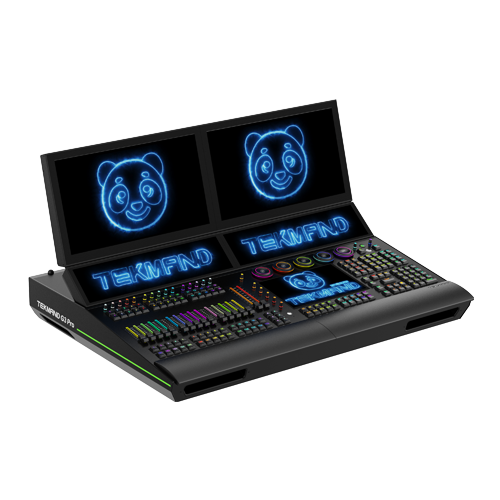
and
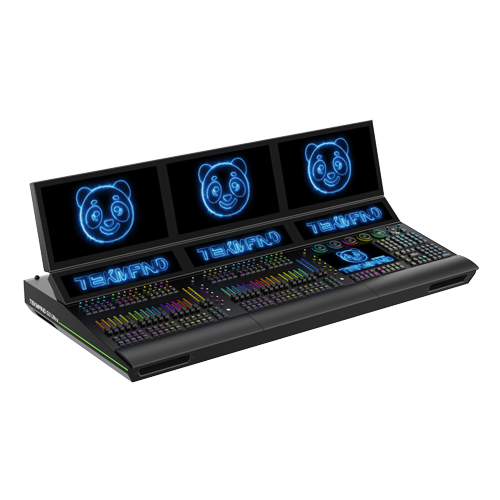
These consoles are designed for professional stage lighting applications.
Future Trends of DMX Lighting Systems
As stage lighting technology continues evolving, DMX systems are also advancing rapidly.
• Network Integration
Modern systems increasingly combine DMX with network protocols such as:
• Art-Net
• sACN
• Intelligent Lighting Control
Supporting:
• Remote monitoring
• Automated system management
• Cloud-based control
• Higher Reliability
Large productions demand greater signal stability and redundancy.
• Integration with Previsualization Software
Lighting designers can now program and simulate shows virtually before live deployment.
How to Build a Stable DMX Lighting System
Professional lighting systems should follow several best practices:
✔ Proper DMX Address Allocation
Avoid overlapping fixture channels.
✔ High-Quality DMX Cables
Reduce signal interference.
✔ Universe Management
Large productions require proper system planning.
✔ Signal Isolation Protection
Improve overall system reliability.
Conclusion
The DMX512 lighting control system has become the foundation of modern professional stage lighting.
From concerts and theaters to television productions and cultural tourism projects, DMX512 enables precise control, synchronized operation, and complex visual effects across professional lighting systems.
As the entertainment lighting industry continues evolving toward intelligent, networked, and digital solutions, DMX512 and advanced lighting control technologies will remain essential components of future stage productions.
About FINE ART
FINE ART Lighting specializes in professional stage lighting equipment and lighting control systems, including LED moving head lights, waterproof stage lighting fixtures, professional lighting consoles, and intelligent entertainment lighting solutions.
Its products are widely used in concerts, theaters, television studios, cultural tourism projects, and large-scale live events worldwide.


