


How Professional Lighting Consoles Improve Programming Efficiency for Large-Scale Shows


As concerts, music festivals, immersive tourism productions, and large-scale commercial events continue evolving, modern stage lighting systems have become increasingly complex.
Today, a major live production may involve controlling:
• Hundreds of lighting fixtures
• Multiple lighting effect systems
• Video synchronization
• Music timecode integration
• Automated show programming
In this environment, traditional manual lighting control methods are no longer sufficient.
Professional lighting consoles have become the core control systems behind efficient lighting programming and stable live show operation.
These advanced systems not only improve lighting design workflows, but also help lighting programmers create complex visual effects, synchronize performances, and automate large-scale productions more efficiently.
This article explains how professional lighting consoles improve programming efficiency in modern entertainment lighting systems.
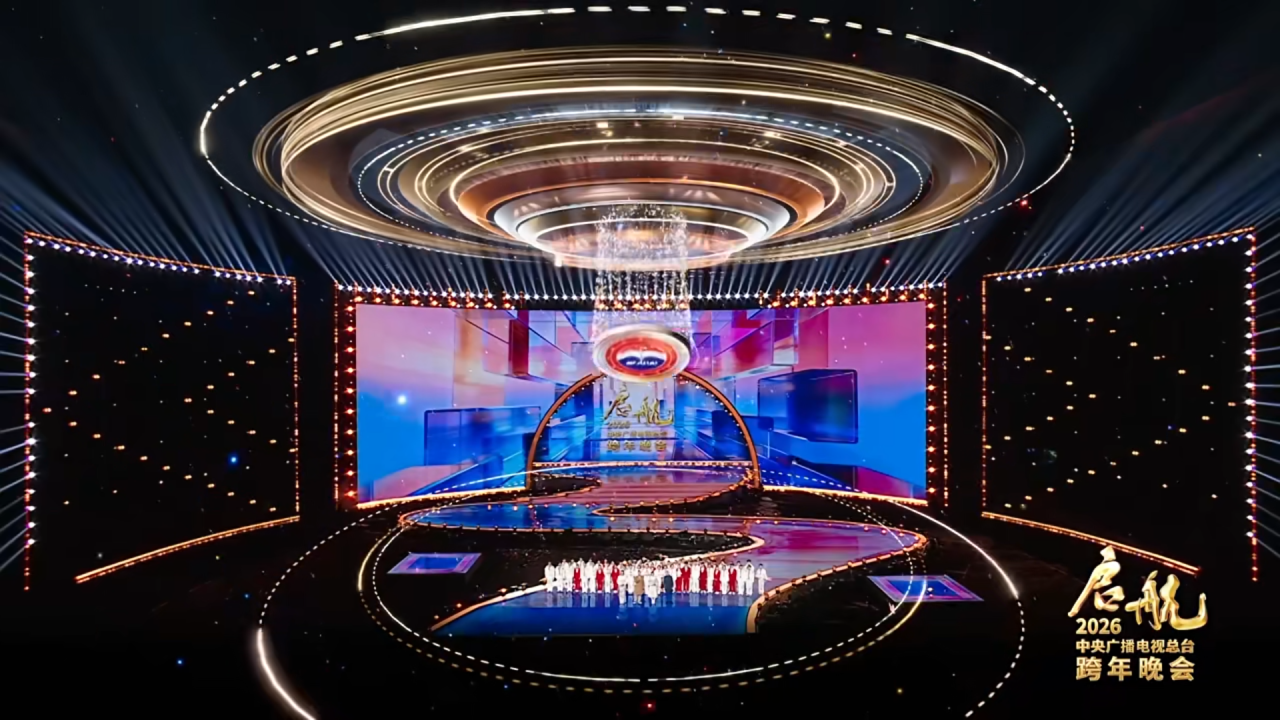
What Is a Professional Lighting Console?
A professional lighting console is the central control device used to manage stage lighting systems.
It can control:
• LED moving head lights
• Beam fixtures
• Wash lights
• Spot lights
• Laser systems
• Fog machines
through protocols such as:
• DMX512
• Art-Net
• sACN
Unlike traditional controllers, modern professional consoles are no longer simple on/off control devices.
Today’s systems integrate:
✔ Lighting programming
✔ Timeline sequencing
✔ Effect editing
✔ Performance synchronization
✔ Visual preprogramming
into a complete intelligent lighting control platform.
Why Large-Scale Productions Depend on Professional Lighting Consoles
Modern large-scale productions continue growing in technical complexity.
Concerts, festivals, arena shows, and immersive entertainment projects often require:
• Hundreds of DMX universes
• Massive dynamic lighting effects
• Multi-zone synchronization
• Real-time scene switching
Without professional lighting consoles:
• Lighting systems become difficult to manage
• Show transitions may fail
• Programming efficiency decreases significantly
• Production stability becomes unreliable
This is why professional lighting consoles have become the “central nervous system” of modern stage productions.
How Professional Lighting Consoles Improve Programming Efficiency
1. Centralized Lighting Control
Traditional lighting control often requires:
• Separate device operation
• Manual parameter adjustment
• Repetitive programming tasks
Modern lighting consoles allow operators to:
✔ Manage all fixtures from a single interface
✔ Access scenes instantly
✔ Switch between cues quickly
This significantly reduces operational complexity.
2. Timecode-Based Programming
Modern productions increasingly rely on synchronization between lighting and music.
Professional lighting consoles support:
• Timecode sequencing
• Music synchronization
• Automated cue triggering
Lighting programmers can prepare entire shows in advance.
As a result, fewer manual actions are required during live performances.
3. Built-In Effect Libraries
Modern consoles usually include:
• Color effect libraries
• Motion effect engines
• Dynamic pattern generators
This allows lighting programmers to create complex visual effects quickly without programming everything from scratch.
4. Visual Programming and Previsualization
Many professional lighting consoles now support:
• 3D stage visualization
• Fixture path simulation
• Virtual lighting programming
Even without a physical stage setup, lighting designers can complete large portions of the programming process beforehand.
This is especially valuable for touring productions.
5. Multi-User Collaboration
Large productions are often handled by multiple technical teams simultaneously.
Professional lighting consoles support:
• Network collaboration
• Shared programming environments
• Remote control access
which greatly improves overall production efficiency.
How Lighting Consoles Improve Live Show Stability
In addition to improving programming speed, lighting consoles also enhance production reliability.
✔ Reducing Human Error
Automated programming minimizes operational mistakes during live performances.
✔ Faster Cue Transitions
Complex productions can switch scenes more smoothly and efficiently.
✔ Multi-System Synchronization
Professional consoles can synchronize with:
• Video systems
• Audio systems
• Stage automation systems
for fully integrated show control.
✔ Better Large-Scale System Management
Modern consoles can manage:
• Multi-zone lighting systems
• Multi-universe configurations
• Large network infrastructures
more effectively.
Key Features of Modern Professional Lighting Consoles
• Cue List Management
Controls show sequencing and scene organization.
• Effect Engines
Generate dynamic lighting effects rapidly.
• Pixel Mapping
Supports LED matrix and large-scale visual control systems.
• Timecode Synchronization
Ensures precise synchronization between music and lighting effects.
• Network Control Support
Including:
• Art-Net
• sACN
• DMX network expansion
Recommended Professional Lighting Consoles
As the stage lighting industry evolves, more productions are adopting advanced intelligent lighting control systems.
TEKMAND G3 PRO
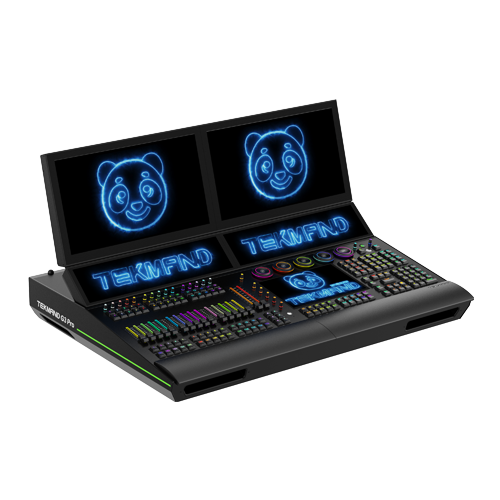
Designed for concerts, theaters, and professional stage productions requiring advanced programming and multi-system integration.
TEKMAND G3 ULTRA
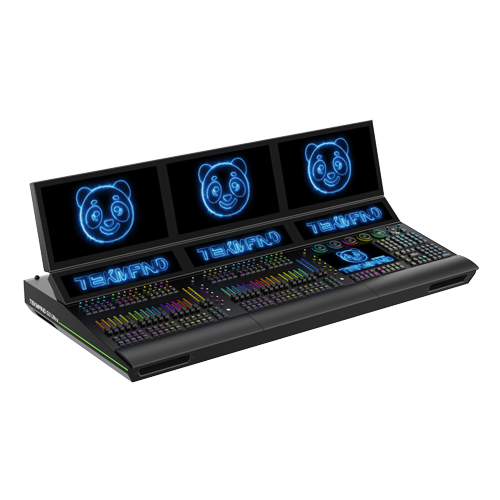
Suitable for high-end large-scale productions and immersive stage environments with powerful processing and networking capabilities.
TEKMAND E3 Compact
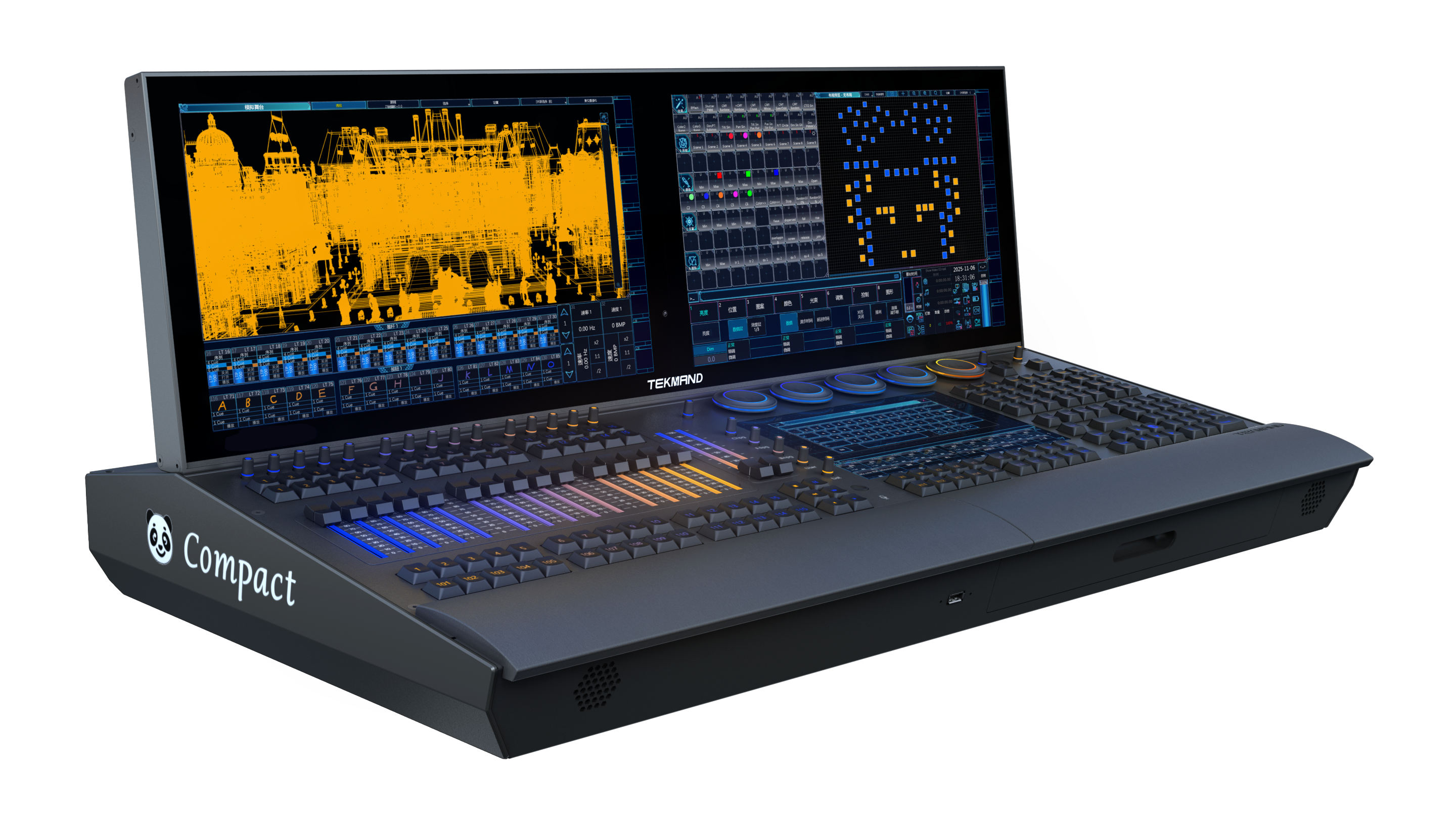
An ideal solution for mobile productions and medium-sized stage systems requiring portability and professional control features.
Future Trends of Lighting Consoles
As entertainment lighting technology continues evolving, lighting consoles are becoming more advanced.
• Intelligent Automation
AI-assisted programming and automated control systems are becoming more common.
• Network-Based Architectures
Modern productions increasingly rely on fully networked lighting systems.
• Cloud Collaboration
Remote data management and show file sharing continue growing.
• Integration with Previsualization Software
Virtual lighting simulation is becoming an essential part of production workflows.
• Greater Compatibility
Future systems will support broader third-party device integration.
How to Choose the Right Lighting Console
When selecting a professional lighting console, it is important to evaluate:
✔ Universe Capacity
Determines system scalability.
✔ Network Protocol Support
Ensures compatibility with large production systems.
✔ Programming Efficiency
Fast effect creation and workflow optimization are essential.
✔ System Stability
Large productions require highly reliable hardware and software.
✔ Previsualization Compatibility
Support for virtual show programming improves workflow efficiency.
Conclusion
In modern large-scale productions, professional lighting consoles are no longer just control devices—they are the core operating systems behind complex visual performances.
These systems greatly improve:
• Programming efficiency
• Visual creativity
• Show synchronization
• Live production stability
As stage productions continue advancing toward intelligent, networked, and visualized workflows, professional lighting consoles will remain at the center of future entertainment lighting systems.
About FINE ART
FINE ART Lighting specializes in professional stage lighting equipment and advanced lighting control systems, including professional lighting consoles, LED moving head lights, waterproof stage lighting fixtures, and intelligent entertainment lighting solutions.
Its products are widely used in concerts, theaters, television studios, immersive tourism projects, and large-scale live productions worldwide.


