


Professional Lighting Console Explained: The “Brain” of Modern Stage Lighting Systems


In modern stage productions, whether it is a large-scale concert, music festival, theater performance, television show, or cultural tourism project, lighting has evolved far beyond simple illumination. It has become a core part of visual storytelling and audience experience.
At the center of this entire lighting ecosystem is the professional lighting console, often referred to as the “brain” of the stage lighting system. It is responsible for coordinating, programming, and controlling every lighting movement and effect on stage.
Without a lighting console, even the most advanced fixtures cannot perform as intended.
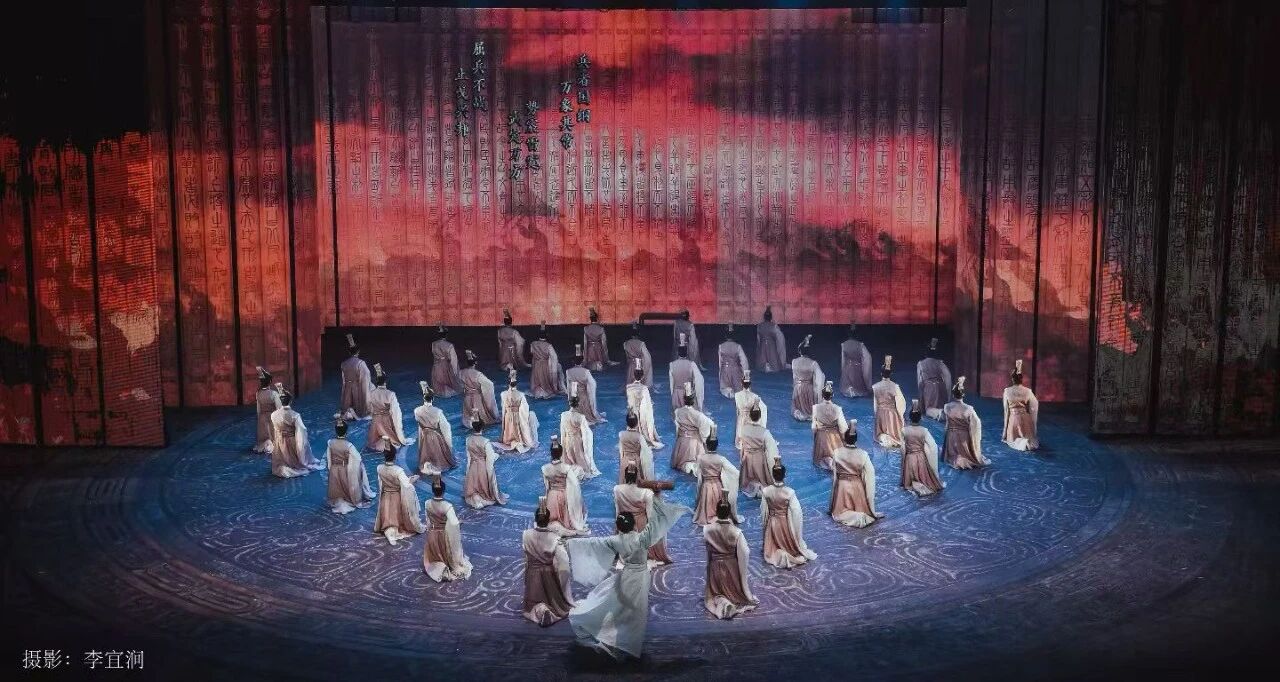
What Is a Professional Lighting Console?
A professional lighting console is an intelligent control system used to operate stage lighting equipment through protocols such as DMX512, Art-Net, or sACN.
It allows operators to control a wide range of fixtures, including:
· LED moving head lights
· Beam lights
· Spot lights
· Wash lights
· Follow spots
· Effect lights
Core Functions of a Lighting Console
· Fixture addressing and patching
· Scene and cue programming
· Dynamic effect creation
· Multi-layer timeline control
· MIDI / timecode synchronization
· Network-based lighting control (Art-Net / sACN)
Why Is the Lighting Console Called the “Brain” of Stage Lighting?
A modern stage lighting system can include dozens or even hundreds of fixtures. Without centralized control, it would be impossible to synchronize all lighting elements.
The console plays a critical role in three key areas:
1. Unified Control of All Fixtures
A lighting console can control simultaneously:
· Color changes
· Intensity adjustments
· Movement (pan/tilt)
· Gobo switching
· Effect triggering
This enables fully synchronized stage lighting performance.
2. Precise Timing Control
Modern productions rely heavily on synchronization between lighting and music.
Lighting consoles enable:
· Beat synchronization
· Timecode triggering
· Automated cue playback
Ensuring perfect alignment between sound and visuals.
3. Creative Programming Capabilities
Lighting designers can use consoles to create:
· Beam formations
· Moving chase effects
· Complex gobo animations
· Layered visual compositions
Transforming lighting into a form of performance art.
Types of Professional Lighting Consoles
1. Entry-Level Consoles
Suitable for:
· Small stages
· Bars and clubs
· Weddings and events
Features:
· Simple operation
· Basic programming functions
· Low cost
2. Mid-Range Consoles
Suitable for:
· Corporate events
· Medium-sized theaters
· Commercial performances
Features:
· Multi-fixture control
· Scene programming
· DMX expansion support
3. High-End Touring Consoles
Suitable for:
· Concerts
· Music festivals
· Television productions
· Large touring shows
Features:
· Multi-universe control
· Timecode synchronization
· Network lighting support
· Advanced effect engines
Relationship Between Lighting Consoles and Fixtures
In a complete stage lighting system:
· Console = Brain
· Fixtures = Body
For example:
· LED moving head lights create dynamic motion
· Beam lights deliver visual impact
· Wash lights provide atmospheric coverage
Related reading suggestions:
· LED Moving Head Lights vs Traditional Moving Head Lights
· Beam vs Spot vs Wash Lights: Complete Stage Lighting Selection Guide
· How to Choose the Right LED Moving Head Light
Importance of DMX512 and Network Control
Modern lighting control systems rely heavily on:
DMX512
· Industry standard protocol
· Stable and reliable
· Widely compatible
Art-Net / sACN
· Ethernet-based control
· Suitable for large-scale systems
· Supports complex lighting networks
Core Value of Professional Lighting Consoles
1. Improved Production Efficiency
Reduces manual operation and increases execution speed.
2. Enhanced Visual Creativity
Enables complex lighting designs and dynamic effects.
3. Reduced Operational Risk
Minimizes synchronization errors and system conflicts.
4. Greater System Stability
Centralized control improves reliability and coordination.
Industry Trends in Lighting Control Systems
The future of lighting control is moving toward:
· AI-assisted lighting programming
· Visual pre-production systems
· Cloud-based lighting control
· Wireless DMX technologies
· Integration with media servers
· Automated lighting workflows
Frequently Asked Questions (FAQ)
What is the difference between a lighting console and a DMX controller?
A DMX controller offers basic control, while a lighting console provides advanced programming and production-level features.
Do small events need a professional lighting console?
Not always, but consoles significantly improve lighting quality and control flexibility.
Can a lighting console control all fixtures?
Yes, as long as the fixtures support DMX or network protocols such as Art-Net or sACN.
Is lighting console programming difficult?
Basic operation is easy, but advanced programming requires experience and training.
Which is more important, the console or the fixtures?
Both are equally important. The console defines control logic, while fixtures determine visual output.
Conclusion
A professional lighting console is the central control system of modern stage lighting. It manages synchronization, programming, and execution of all lighting elements, shaping the overall visual rhythm of a performance.
In large-scale productions, the console is even more critical than individual fixtures, serving as the foundation of professional lighting design.
About FINE ART Lighting
FINE ART Lighting is a professional manufacturer specializing in stage lighting equipment and intelligent control systems. The company provides LED moving head lights, IP-rated waterproof fixtures, beam/spot/wash lights, and professional lighting control solutions.
FINE ART Lighting products are widely used in concerts, music festivals, theaters, television studios, cultural tourism projects, and large-scale live events worldwide. Through continuous innovation and strict quality control, FINE ART delivers reliable and high-performance lighting solutions for the global entertainment industry.


