


Frequently Asked Questions About Stage Lighting (2026 Guide)


Stage lighting is one of the most important elements in live entertainment production, yet it is also one of the most misunderstood. Whether you're a beginner learning how lighting works or a professional upgrading a concert system, questions often arise around DMX control, moving head lights, lighting design, fixture selection, and system setup.
In this 2026 guide, we compile the most frequently asked questions about stage lighting, based on real industry searches, user behavior, and professional lighting design experience.
This FAQ is designed to help you quickly understand the fundamentals and advanced concepts of modern stage lighting systems.
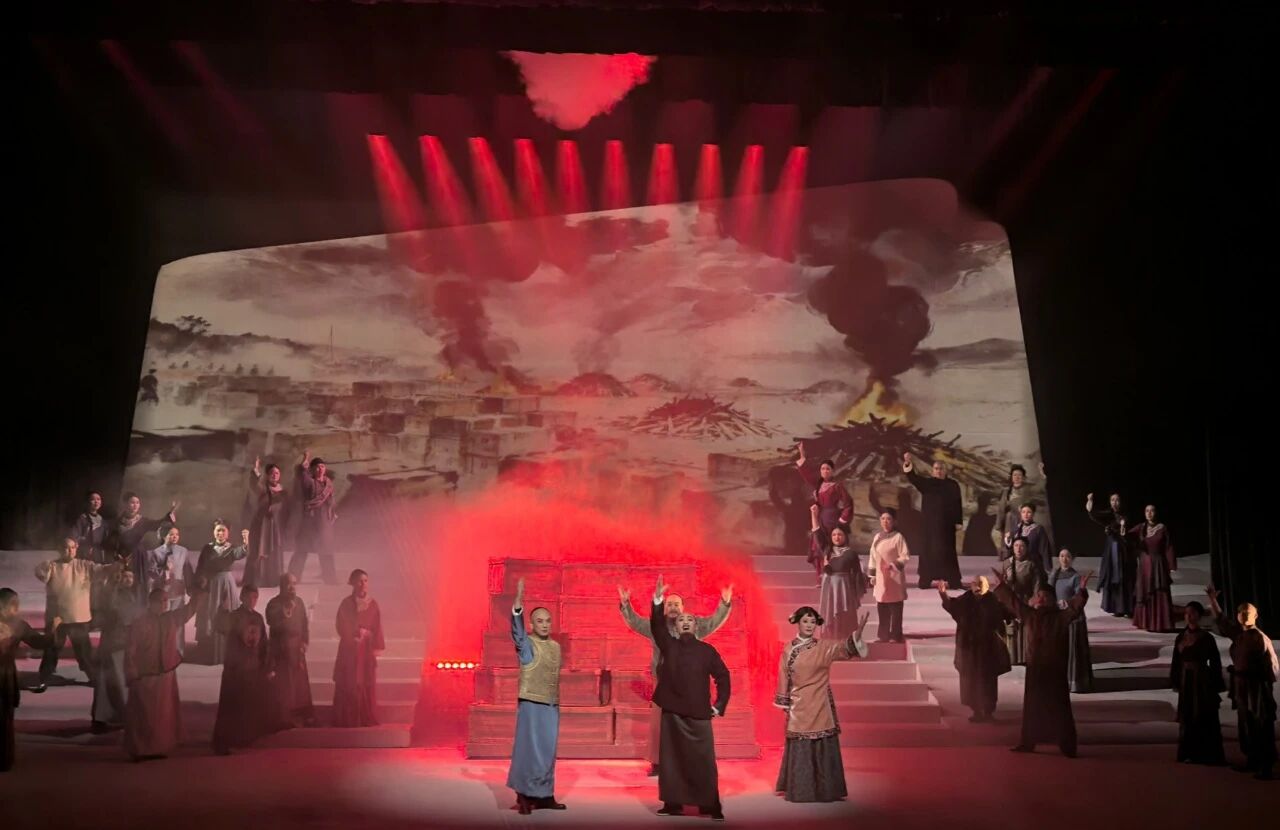
1. What is stage lighting?
Stage lighting refers to the use of artificial light sources to illuminate performers, scenery, and visual environments during live events such as concerts, theater productions, television shows, and corporate events.
Modern stage lighting is not only about visibility—it is used to:
- Create mood and atmosphere
- Guide audience attention
- Enhance storytelling
- Synchronize with music and visuals
- Build immersive experiences
2. What are the main types of stage lighting?
The most common professional stage lighting types include:
- Beam Moving Head Lights
- Spot Moving Head Lights
- Wash Moving Head Lights
- LED PAR Lights
- Strobe Effect Lights
- Effect Lights
- Blinder Lights
- Profile Fixtures
- Follow Spot Systems
Each type serves a different role in a complete lighting system.
3. What are moving head lights used for?
Moving head lights are intelligent fixtures that can:
- Pan and tilt in multiple directions
- Change colors dynamically
- Project gobos and patterns
- Create beam effects
- Sync with music and lighting cues
They are widely used in:
- Concerts
- Nightclubs
- Theater productions
- TV studios
- Festivals
4. What is DMX in stage lighting?
DMX (Digital Multiplex) is the standard communication protocol used to control stage lighting.
It allows a lighting control console to send commands to fixtures such as:
- Brightness
- Color
- Movement
- Effects
- Strobe speed
DMX512 is the most widely used standard in professional lighting systems.
5. What is a lighting control console?
A lighting control console is the central device used to operate stage lighting systems.
It allows operators to:
- Program lighting scenes
- Control moving head lights
- Manage DMX channels
- Trigger cues and effects
- Synchronize lighting with music
Modern consoles support DMX512, Art-Net, and sACN protocols.
6. What is the difference between beam, spot, and wash lights?
| Type | Function |
|---|---|
| Beam | Narrow, high-intensity aerial effects |
| Spot | Gobo projection and visual patterns |
| Wash | Soft, wide-area color coverage |
A professional stage lighting system typically combines all three types.
7. How does stage lighting work?
Stage lighting works through a control system that connects a lighting console to fixtures using DMX or network protocols.
Basic workflow:
Lighting Console → DMX Signal → Fixtures → Light Output
The console sends numerical values that control:
- Movement (pan/tilt)
- Color mixing
- Brightness
- Effects
8. How do you control stage lights?
Stage lights are controlled using:
- DMX lighting consoles
- Software-based controllers
- Network protocols (Art-Net, sACN)
Operators program:
- Scenes
- Cues
- Presets
- Effects
This allows synchronized control of multiple fixtures.
9. What is a stage lighting system?
A stage lighting system is a complete setup that includes:
- Lighting fixtures (beam, spot, wash, etc.)
- Lighting control console
- DMX network
- Power distribution
- Truss and rigging
- Control software
It is designed to create coordinated lighting effects for live performances.
10. How do you set up stage lighting?
A basic setup process includes:
- Plan lighting layout
- Install fixtures on truss
- Connect DMX cables
- Assign DMX addresses
- Patch fixtures in console
- Program scenes and cues
- Test all functions
11. What is a strobe light effect?
A strobe effect is created by rapid flashing of light at controlled intervals.
It is used to:
- Increase energy in concerts
- Highlight musical drops
- Create dramatic visual effects
- Enhance EDM performances
Modern LED strobes support RGB color and pixel control.
12. What are effect lights in stage lighting?
Effect lights are fixtures designed to create dynamic visual effects rather than simple illumination.
Examples include:
- Pixel lights
- Matrix lights
- Laser effects
- Moving graphic lights
They are commonly used in concerts and festivals.
13. What is DMX addressing?
DMX addressing assigns a starting channel number to each lighting fixture.
This ensures each fixture receives correct control signals from the console.
Incorrect addressing is one of the most common setup mistakes.
14. How many DMX channels does a moving head light use?
It depends on the fixture type:
- Simple LED PAR: 3–8 channels
- Beam moving head: 16–24 channels
- Spot moving head: 20–40+ channels
- Advanced hybrid fixtures: 40–60+ channels
15. What is the difference between DMX, Art-Net, and sACN?
| Protocol | Usage |
|---|---|
| DMX512 | Small to medium systems |
| Art-Net | Large venue Ethernet control |
| sACN | High-performance network lighting systems |
Modern lighting consoles often support all three.
16. Do I need a lighting control console?
Yes. A lighting control console is essential for professional stage lighting because it allows:
- Centralized control
- Cue programming
- Multi-fixture synchronization
- Real-time performance control
17. What is the best lighting setup for concerts?
A typical concert lighting system includes:
- Beam moving head lights
- Spot moving head lights
- Wash lights
- Strobe effect lights
- Effect lights
- DMX lighting console
This combination creates dynamic and immersive visuals.
18. What are common stage lighting mistakes?
Common mistakes include:
❌ Incorrect DMX addressing
❌ Overusing effects
❌ Poor fixture placement
❌ No backup console
❌ Inconsistent color calibration
19. Can stage lighting be automated?
Yes. Modern lighting systems support:
- Timecode synchronization
- Pre-programmed cues
- Auto-run shows
- Smart tracking systems
Automation improves efficiency and consistency.
20. What is the future of stage lighting?
The stage lighting industry is evolving toward:
- LED efficiency
- IP66 waterproof fixtures
- AI-assisted programming
- Network-based control systems
- Intelligent tracking technology
- Cloud-based lighting management
Internal Linking Strategy (SEO Cluster)
Recommended Articles
- Beam vs Spot vs Wash Lights: Complete Stage Lighting Selection Guide
- How to Choose the Right LED Moving Head Light: Complete Buying Guide
- Why Outdoor Events Need IP66 Waterproof Moving Head Lights
- LED Moving Head Lights vs Traditional Moving Head Lights: Which Is Better for Modern Stage Lighting?
- LED Effect Lights Explained: How to Create Stunning Stage Visual Effects
- Strobe Effect Light Application Guide: How to Enhance Atmosphere in Concerts and Music Festivals
Product Pages
- Beam Moving Head Lights
- LED Moving Head Lights
- Spot / Wash Moving Head Lights
- Strobe Effect Lights
- Lighting Control Consoles
- DMX Lighting Consoles
About FINE ART Lighting
FINE ART Lighting is a professional manufacturer of advanced stage lighting equipment and intelligent entertainment systems. With over 20 years of industry experience, we provide innovative lighting solutions for concerts, theaters, television studios, rental companies, cultural tourism projects, and large-scale live events worldwide.
Our product portfolio includes:
- LED Moving Head Lights
- Beam, Spot, and Wash Fixtures
- Strobe and Effect Lights
- Professional Lighting Control Consoles
- DMX and Network Lighting Systems
- Intelligent Follow Spot Systems
We combine optical engineering, intelligent control technology, and reliable manufacturing to deliver high-performance lighting systems that meet global entertainment industry standards.


