


Stage Lighting Beginner's Guide: The Main Types of Stage Lights Explained


Stage lighting is much more than simply illuminating performers. It shapes the audience's experience, enhances storytelling, creates atmosphere, and transforms an ordinary performance into an unforgettable visual spectacle.
Whether you're designing lighting for a concert, theater production, television studio, nightclub, church, or corporate event, understanding the different types of stage lights is the first step toward building an effective lighting system.
Today's professional stage lighting combines advanced optics, intelligent moving fixtures, LED technology, and sophisticated control systems to create immersive visual experiences. However, for beginners, the wide variety of lighting fixtures can be confusing.
Questions like these are common:
- What are the different types of stage lights?
- Which light is best for concerts?
- What is the difference between Beam, Spot, and Wash lights?
- Do I need effect lights?
- How do professional lighting systems work?
In this beginner's guide, we'll explain the most common stage lighting fixtures, their functions, and how they work together to create professional lighting designs.
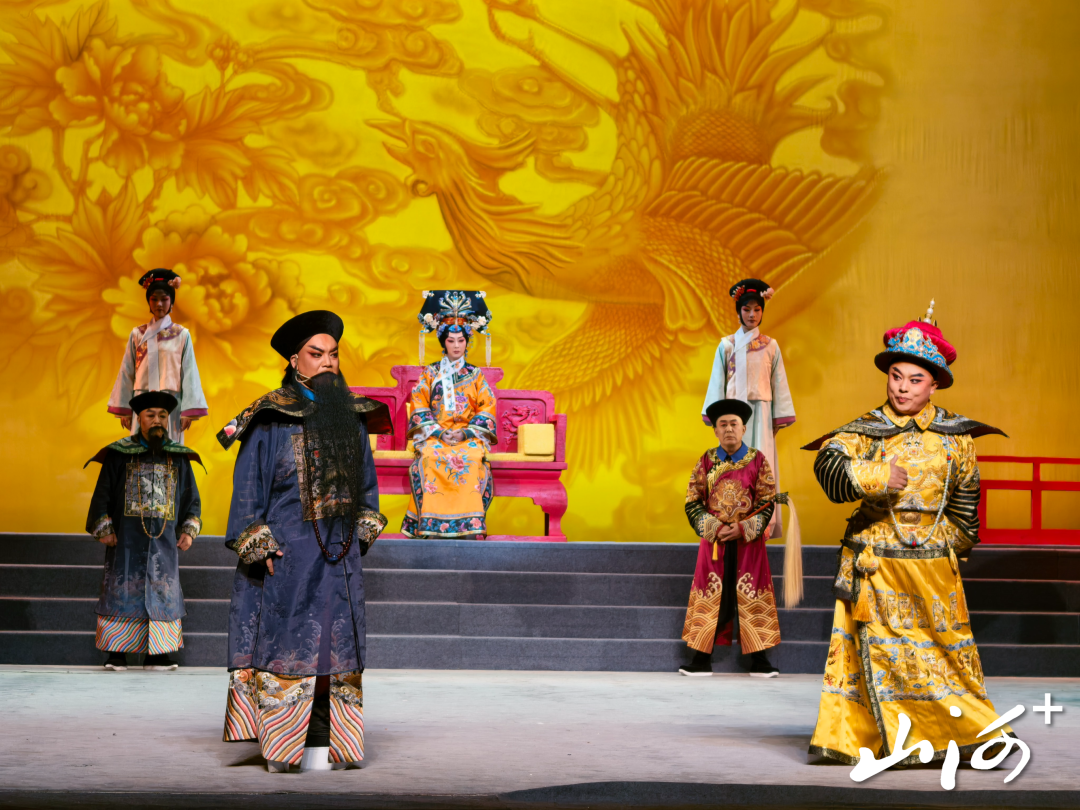
What Is Stage Lighting?
Stage lighting refers to the use of specialized lighting equipment to illuminate performers, scenery, and performance spaces while creating artistic and emotional effects.
Professional stage lighting serves several important purposes:
- Illuminate performers
- Direct audience attention
- Create atmosphere
- Enhance storytelling
- Synchronize with music
- Produce visual effects
- Support video recording and broadcasting
Unlike general architectural lighting, stage lighting is dynamic and programmable. Modern lighting systems can instantly change color, intensity, movement, and beam shape throughout a performance.
Why Stage Lighting Is So Important
Without professional lighting, even the most impressive performance may appear flat and uninspiring.
Lighting helps audiences understand:
- Where to look
- What emotion to feel
- How scenes transition
- When dramatic moments occur
For concerts, lighting also becomes part of the performance itself.
Powerful moving beams, synchronized strobes, colorful washes, and dynamic visual effects create excitement that complements music and performance.
How Does a Stage Lighting System Work?
A professional stage lighting system consists of several components working together.
Lighting Fixtures
These are the visible lights installed around the stage.
Different fixtures serve different purposes.
Lighting Control Console
The lighting console acts as the brain of the system.
Professional consoles allow programmers to control:
- Brightness
- Color
- Movement
- Timing
- Effects
- Scene transitions
Modern consoles support:
- DMX512
- Art-Net
- sACN
Large productions may control hundreds of fixtures simultaneously.
Related Reading:
Professional Lighting Control Console: The Brain Behind Modern Stage Lighting
Signal Distribution
Lighting data is transmitted through:
- DMX cables
- Ethernet
- Fiber networks
This allows every fixture to receive accurate control information.
Rigging and Truss
Fixtures are installed on:
- Stage trusses
- Ceiling grids
- Towers
- Ground supports
Proper positioning is essential for achieving balanced lighting coverage.
The Main Types of Stage Lights
Professional productions typically combine multiple fixture types.
Let's examine each one.
1. Beam Moving Head Lights
Beam fixtures produce extremely narrow, concentrated beams that travel long distances.
Their dramatic aerial effects make them one of the most recognizable elements of concert lighting.
Main Features
✔ Narrow beam angle
✔ Long projection distance
✔ High brightness
✔ Fast movement
✔ Prism effects
Best Applications
- Concerts
- Music festivals
- Outdoor performances
- Stadium events
Beam fixtures are ideal for creating spectacular sky beams and synchronized lighting sequences.
Related Reading
What Are Moving Head Beam Lights? Everything Beginners Need to Know
2. Spot Moving Head Lights
Spot fixtures focus on image projection rather than aerial beams.
They use rotating gobos to project logos, textures, and graphic patterns.
Features
- Rotating gobos
- Color wheels
- Focus adjustment
- Zoom
- Prism effects
Best Applications
- Theater
- Corporate events
- Product launches
- Television studios
Spot fixtures add detail and storytelling to stage productions.
3. Wash Moving Head Lights
Wash lights create soft, even illumination across performers and scenery.
Unlike Beam fixtures, Wash lights emphasize coverage rather than concentrated beams.
Features
- Wide beam angle
- Smooth dimming
- Excellent color mixing
- High CRI options
- Soft edge output
Best Applications
- Theater
- Television
- Dance performances
- Background lighting
Wash lighting establishes mood and atmosphere throughout the performance.
4. LED PAR Lights
PAR lights are among the most commonly used stage fixtures.
Modern LED PAR fixtures have replaced traditional halogen PAR cans because they consume less power and generate less heat.
Advantages
- Energy efficient
- Compact
- Long lifespan
- Rich RGB color mixing
Common Applications
- Small stages
- Churches
- Wedding venues
- Bars
- Exhibition booths
PAR lights are often used for background lighting and architectural color washes.
5. Fresnel Lights
Fresnel fixtures produce soft-edged light with smooth transitions.
They are especially popular in theater and television because they create natural-looking illumination.
Features
- Adjustable beam angle
- Smooth edge
- Warm appearance
- Excellent facial lighting
Best Applications
- Drama
- Television
- Film production
- Interview lighting
6. Profile (Ellipsoidal) Lights
Profile fixtures produce highly controlled beams with precise edge definition.
They are commonly used to highlight actors or project custom gobos.
Features
- Sharp focus
- Shutters
- Gobo projection
- Adjustable optics
Best Applications
- Theater
- Conferences
- Houses of worship
- Museums
These fixtures allow designers to illuminate very specific areas of the stage.
Why Modern Productions Use Multiple Fixture Types
Professional lighting designers rarely rely on only one type of fixture.
Instead, each lighting instrument serves a specific purpose.
For example:
| Fixture | Main Function |
|---|---|
| Beam | Dynamic aerial effects |
| Spot | Image and gobo projection |
| Wash | General stage illumination |
| PAR | Background color |
| Fresnel | Soft performer lighting |
| Profile | Precise highlighting |
Combining these fixtures creates layered, visually engaging productions that keep audiences immersed throughout the performance.
Continue Reading
To better understand professional stage lighting, you may also enjoy:
- What Is an LED Moving Head Light? A Complete Guide to Modern Stage Lighting
- Beam vs Spot vs Wash: Differences and How to Choose the Right Stage Lighting
- DMX Lighting Control System Explained: How Stage Lighting Achieves Precise Digital Control
7. Effect Lights
While Beam, Spot, and Wash fixtures form the foundation of a stage lighting system, effect lights add excitement, creativity, and memorable visual moments.
Unlike standard illumination fixtures, effect lights are designed to create dynamic visual effects rather than simply lighting performers.
Common effect lights include:
- LED Pixel Effects
- Strobe Lights
- Blinders
- Matrix Lights
- Gobo Effect Lights
- Laser Effects
These fixtures are widely used in concerts, music festivals, television shows, esports events, and live entertainment productions.
Best Applications
- Concerts
- EDM Festivals
- Television Shows
- Live Broadcasts
- Nightclubs
- Product Launches
Related Reading
LED Effect Lights Explained: How to Create Stunning Stage Visual Effects
8. Strobe Effect Lights
A strobe effect light produces rapid flashes of high-intensity light.
When synchronized with music, strobes create dramatic slow-motion visual illusions and increase audience excitement during climactic moments.
Modern LED strobe fixtures offer much more than simple flashing.
Professional models typically support:
- Variable flash speed
- Linear dimming
- Pixel mapping
- RGB color mixing
- Blinder mode
Best Applications
- Rock concerts
- EDM festivals
- Television performances
- Sports opening ceremonies
- Large touring productions
Because of their powerful visual impact, strobe lights are often used during musical drops, finales, and high-energy scenes.
9. Blinder Lights
Blinder lights are designed to illuminate the audience rather than the performers.
By directing bright light toward spectators, blinders create a sense of connection between the audience and the stage.
Today, LED blinders have largely replaced traditional tungsten fixtures because they provide:
- Lower power consumption
- Longer lifespan
- Reduced heat generation
- Better dimming performance
Blinders are commonly positioned above the stage or along front trusses.
10. Follow Spot Systems
Follow spot systems keep performers illuminated as they move across the stage.
Traditional follow spots require dedicated operators.
Modern intelligent follow spot systems combine:
- Motorized moving head lights
- Camera tracking
- Wireless positioning
- DMX networking
- Automated target tracking
These technologies significantly reduce labor requirements while improving tracking accuracy.
They are widely used in:
- Musicals
- Television shows
- Concert tours
- Cultural tourism performances
- Corporate events
Building a Professional Stage Lighting System
A successful lighting design is not simply about purchasing expensive fixtures.
Instead, professional lighting systems combine different fixture types to achieve balanced visual performance.
A typical concert lighting system may include:
| Equipment | Primary Purpose |
|---|---|
| Beam Moving Head Lights | Aerial beam effects |
| Spot Moving Head Lights | Gobo projection |
| Wash Moving Head Lights | General stage illumination |
| LED PAR Lights | Background lighting |
| Effect Lights | Dynamic visual effects |
| Strobe Lights | High-energy moments |
| Follow Spot System | Performer tracking |
| Lighting Control Console | System control |
Each component performs a unique role within the complete lighting system.
How to Choose the Right Stage Lighting
Choosing stage lighting depends on several important factors.
Venue Size
Small venues require fewer fixtures with wider coverage.
Large arenas need high-output fixtures capable of long-distance projection.
Performance Type
Different performances require different lighting priorities.
Concerts
Priority:
- Beam
- Strobe
- Effect Lights
Theater
Priority:
- Wash
- Spot
- Fresnel
Television Studio
Priority:
- Wash
- Profile
- Spot
Nightclubs
Priority:
- Beam
- Effect Lights
- Strobe
Indoor or Outdoor
Outdoor projects require fixtures with:
- IP65
- IP66
These ratings protect equipment from rain, humidity, and dust.
Lighting Control Compatibility
Modern stage lighting should support:
- DMX512
- Art-Net
- sACN
- RDM
These protocols enable reliable communication between lighting fixtures and professional lighting control consoles.
How Are Stage Lights Controlled?
Professional lighting fixtures are controlled using intelligent lighting consoles.
A typical control workflow includes:
Step 1
Connect fixtures using DMX or Ethernet.
Step 2
Assign fixture addresses.
Step 3
Patch fixtures within the lighting console.
Step 4
Program scenes, cues, and effects.
Step 5
Synchronize lighting with audio, video, and automation systems.
Modern productions frequently integrate lighting consoles with media servers, stage automation, and timecode systems for fully synchronized performances.
Related Reading
Professional Lighting Console Explained: The “Brain” of Modern Stage Lighting Systems
Future Trends in Stage Lighting
The stage lighting industry continues to evolve rapidly.
Major trends include:
LED Technology
Higher brightness
Lower power consumption
Longer lifespan
Waterproof Fixtures
IP66 fixtures are becoming standard for touring productions and outdoor events.
AI-Assisted Lighting Programming
Artificial intelligence is beginning to simplify programming workflows and automate repetitive tasks.
Network-Based Control
Ethernet protocols such as Art-Net and sACN are replacing traditional point-to-point control in large venues.
Intelligent Tracking Systems
Automatic follow spot systems are reducing manpower while improving tracking precision.
Frequently Asked Questions
What are the main types of stage lights?
The most common professional stage lights include Beam, Spot, Wash, PAR, Fresnel, Profile, Strobe, Blinder, Effect Lights, and Follow Spot systems.
Which stage light is best for concerts?
Concerts typically rely on Beam moving head lights, Wash fixtures, Effect Lights, and Strobe Lights to create dynamic visual experiences.
What's the difference between Beam and Wash lights?
Beam lights produce narrow aerial beams for dramatic effects, while Wash lights provide wide, even illumination across the stage.
Are LED stage lights better than traditional fixtures?
Yes.
Modern LED fixtures offer longer lifespan, lower energy consumption, reduced maintenance, and better color consistency.
Do I need a lighting control console?
Absolutely.
Professional lighting consoles allow precise control of color, movement, dimming, timing, and synchronization across multiple fixtures.
Can one fixture perform Beam, Spot, and Wash functions?
Yes.
Hybrid BSW fixtures combine all three functions into a single unit, making them popular for rental companies and multi-purpose venues.
What is the best lighting setup for beginners?
A basic system typically includes:
- LED PAR Lights
- Wash Moving Heads
- Beam Moving Heads
- A DMX Lighting Console
This combination provides flexibility for most small to medium-sized events.
How important is waterproof protection?
If lighting fixtures are used outdoors, IP65 or IP66 protection is strongly recommended to ensure reliable performance in challenging environments.
About FINE ART Lighting
FINE ART Lighting is a leading manufacturer of professional stage lighting equipment and intelligent entertainment technology solutions. With more than 20 years of experience, we specialize in designing and manufacturing innovative lighting products for concerts, theaters, television studios, rental companies, cultural tourism projects, and large-scale live events worldwide.
Our comprehensive product portfolio includes:
- LED Moving Head Lights
- Beam, Spot, and Wash Moving Head Lights
- Waterproof Stage Lighting
- LED Effect Lights
- Professional Lighting Control Consoles
- Intelligent Follow Spot Systems
- Stage Machinery Control Systems
By combining advanced optical engineering, intelligent control technology, and reliable manufacturing, FINE ART Lighting helps lighting professionals create immersive, efficient, and visually stunning productions across a wide range of entertainment applications.
Learn more about our professional stage lighting solutions:
Website: https://www.fineart-light.com/
Contact Us
Whether you're designing a theater, concert venue, television studio, nightclub, or outdoor performance space, FINE ART Lighting can help you select the ideal stage lighting solution for your project.
Our experienced engineering team provides customized lighting recommendations, intelligent control solutions, and technical support to ensure every production achieves outstanding visual performance.


