


Live Music Venue Lighting: How to Select Fixtures for Clubs and Performance Spaces


Lighting is an essential part of the live music experience. It helps audiences focus on performers, establishes the atmosphere of a venue, and gives each performance its own visual identity. From intimate acoustic rooms to busy music clubs and dedicated live performance spaces, a well-planned lighting system can improve both the audience experience and the venue's day-to-day operation.
However, selecting live music venue lighting involves more than choosing bright fixtures or adding moving effects. Venue operators need to consider stage dimensions, audience sightlines, ceiling height, performance styles, installation limitations, control requirements, and maintenance needs.
A small club hosting local bands may need a compact and flexible lighting package. A medium-sized Live House may require broader stage coverage and more dynamic effects, while a larger performance venue may need multiple lighting positions and a more structured control workflow.
This guide explains how to select lighting fixtures for live music venues, plan stage coverage, and evaluate equipment for reliable operation across different types of performances.

1. Start with the Venue Layout and Performance Requirements
Before selecting fixtures, assess how the venue is used and how its physical layout affects lighting design. The right equipment package should be based on the venue's actual requirements rather than a standard fixture list.
Important factors include:
Stage dimensions: Measure the stage width, depth, and height, and identify the available positions for lighting equipment.
Ceiling height: This affects mounting options, fixture-to-stage distance, beam angles, and the available space for overhead equipment.
Audience layout: Standing audiences, seated arrangements, balconies, and side viewing areas create different coverage requirements.
Performance types: Acoustic music, rock bands, jazz, DJs, electronic music, and mixed entertainment formats may need different lighting approaches.
Installation restrictions: Existing trusses, ceiling structures, electrical infrastructure, and venue regulations may limit fixture placement.
Operating schedule: Venues hosting frequent shows need equipment that can be inspected, cleaned, and maintained efficiently between performances.
A venue assessment should also identify potential obstructions, reflective surfaces, screens, microphones, and areas where light spill may distract performers or audiences.
The objective is to understand what the lighting system needs to achieve before deciding which fixtures to purchase.
Create a basic lighting requirement plan
A simple plan can help venue operators organize their requirements before requesting quotations. It should identify the main performance area, typical performer positions, available mounting points, audience sightlines, and the types of shows hosted throughout the year.
For venues that regularly receive guest lighting designers, it is also useful to document the existing rig and control infrastructure. This information makes it easier to assess whether new fixtures can work with the venue's current equipment.
2. Match Lighting Fixtures to the Venue's Needs
Different fixtures serve different functions. A well-planned live music lighting system combines suitable fixture types according to the stage layout, performance style, and desired visual results.
2.1 Wash Lights for General Stage Coverage
Wash fixtures provide broader illumination across performers and stage areas. They help maintain visibility during songs, introductions, and less effects-intensive parts of a show.
When evaluating wash lights, consider:
Beam angle and light distribution.
Output at the actual mounting distance.
Color mixing and color consistency.
Dimming performance.
Fixture size, weight, and mounting requirements.
The stage area that needs to be covered.
For narrow stages, carefully positioned fixtures may provide adequate coverage without requiring an unnecessarily large equipment package. Wider stages may need additional fixtures or multiple lighting positions to reduce uneven illumination.
Wash lighting should provide a useful foundation for the system. Dynamic effects can then be added without sacrificing basic performer visibility.

2.2 Moving Head Lights for Dynamic Effects
Moving head fixtures can add movement, color changes, and dynamic visual effects to live performances. Depending on the model, they may provide beam, spot, wash, or hybrid functions.
For music clubs and performance spaces, fixture selection should reflect the available mounting height and throw distance. A fixture designed for a large stage may not be the best choice for a low-ceiling room where beams could shine directly into the audience.
Review the following characteristics before selecting a model:
Pan and tilt movement range.
Beam angle and optical characteristics.
Available color and effects functions.
Control modes and channel requirements.
Fixture dimensions and weight.
Installation and ventilation requirements.
The objective is to select fixtures that produce the desired visual effects without overwhelming the room or creating unnecessary glare.
For venues comparing different moving-head configurations, FINE ART's LED moving head light range provides a starting point for reviewing professional fixture options. Match the selected model's documented output, optics, and functions to the venue's mounting conditions.
2.3 Spot and Profile Fixtures for Defined Lighting Areas
Spot and profile fixtures can provide more controlled illumination than broad wash fixtures. Depending on their optical design, they may be used to highlight performers, define specific stage areas, or project patterns and textures.
These fixtures can be useful for:
Highlighting a lead vocalist or featured musician.
Creating a defined lighting area for an acoustic performance.
Separating performers from the stage background.
Adding projected patterns to selected scenic surfaces.
Buyers should verify the actual optical functions offered by each model. Not all spot fixtures include the same gobo, focus, framing, or zoom capabilities.
For venues where precise performer highlighting is important, the fixture's beam control and optical performance should be evaluated at the intended throw distance.
2.4 Strobe and Other Effect Lights
Strobe and effect fixtures can support high-energy sections of a performance. Their use should match the venue's artistic direction and operating procedures.
They may be used for short visual accents during selected musical passages, transitions, or climactic moments. However, intense flashing effects should not be used continuously simply because the fixture is available.
Because flashing effects can affect some audience members, venues should consider appropriate warnings, responsible operation, and applicable event guidance. Operators should also ensure that effect cues are coordinated with the performance rather than triggered randomly.
A balanced lighting design uses effects to support the music while maintaining sufficient visibility and audience comfort.
3. Design for Stage Coverage and Audience Sightlines
The same fixture can produce very different results depending on where it is installed. Placement should therefore be considered alongside fixture specifications.
3.1 Front Lighting
Front lighting helps audiences see performers' faces and expressions. It is particularly important in venues hosting acoustic acts, singer-songwriters, spoken introductions, or performances where audience connection is central.
The lighting angle should support visibility while managing shadows and glare. If front fixtures are positioned too low or aimed incorrectly, they may shine directly into the audience or performers' eyes.
3.2 Side and Overhead Lighting
Side lighting can help reveal body shape and movement, while overhead positions can provide general coverage and visual separation.
The right balance depends on stage dimensions, performers' positions, and available mounting infrastructure. Side positions may also help maintain visibility when performers move across the stage.
3.3 Backlighting and Aerial Effects
Backlighting can create separation between performers and the background. Moving beams may also add depth and visual energy, especially during louder or more rhythmic sections of a show.
However, beam angles and movement should be planned carefully to avoid excessive glare into audience sightlines or unnecessary interference with cameras.
3.4 Coverage Across the Entire Stage
A common problem is concentrating too many fixtures in one area while leaving other parts of the stage poorly illuminated.
Review coverage from several audience positions, including the sides and any elevated viewing areas. Where practical, test the planned arrangement with fixtures positioned at their intended mounting locations.
Lighting plots, fixture photometric information, and visualization tools can help identify potential coverage issues before installation. For complex venues, a lighting plan should also account for stage scenery, video screens, and the movement paths of performers.
4. Adapt the Lighting Design to Different Venue Sizes
There is no single lighting package that works for every live music venue. The fixture mix should be scaled according to the venue's physical characteristics, performance schedule, and budget.
4.1 Small Music Clubs
Small clubs often have limited ceiling height and a compact stage. A practical system may prioritize:
General stage coverage.
A limited number of dynamic fixtures.
Simple and repeatable control.
Manageable power and installation requirements.
Easy access for routine maintenance.
Avoid selecting fixtures solely because they are powerful. Output, beam angle, throw distance, and mounting position should work together to create the intended effect without overwhelming the room.
Compact fixtures may help where installation space is limited, provided their performance and environmental specifications meet the venue's requirements.
4.2 Medium-Sized Live Music Venues
Medium-sized venues may host more varied performances and require greater flexibility.
A combination of wash fixtures, moving heads, and selected effect lights can support different visual looks without requiring a completely different setup for every show.
The design should allow operators to create repeatable lighting scenes while retaining enough flexibility for guest lighting designers or touring acts.
It is also useful to establish consistent fixture positions and control presets. This can reduce setup time when the venue changes from one performance type to another.
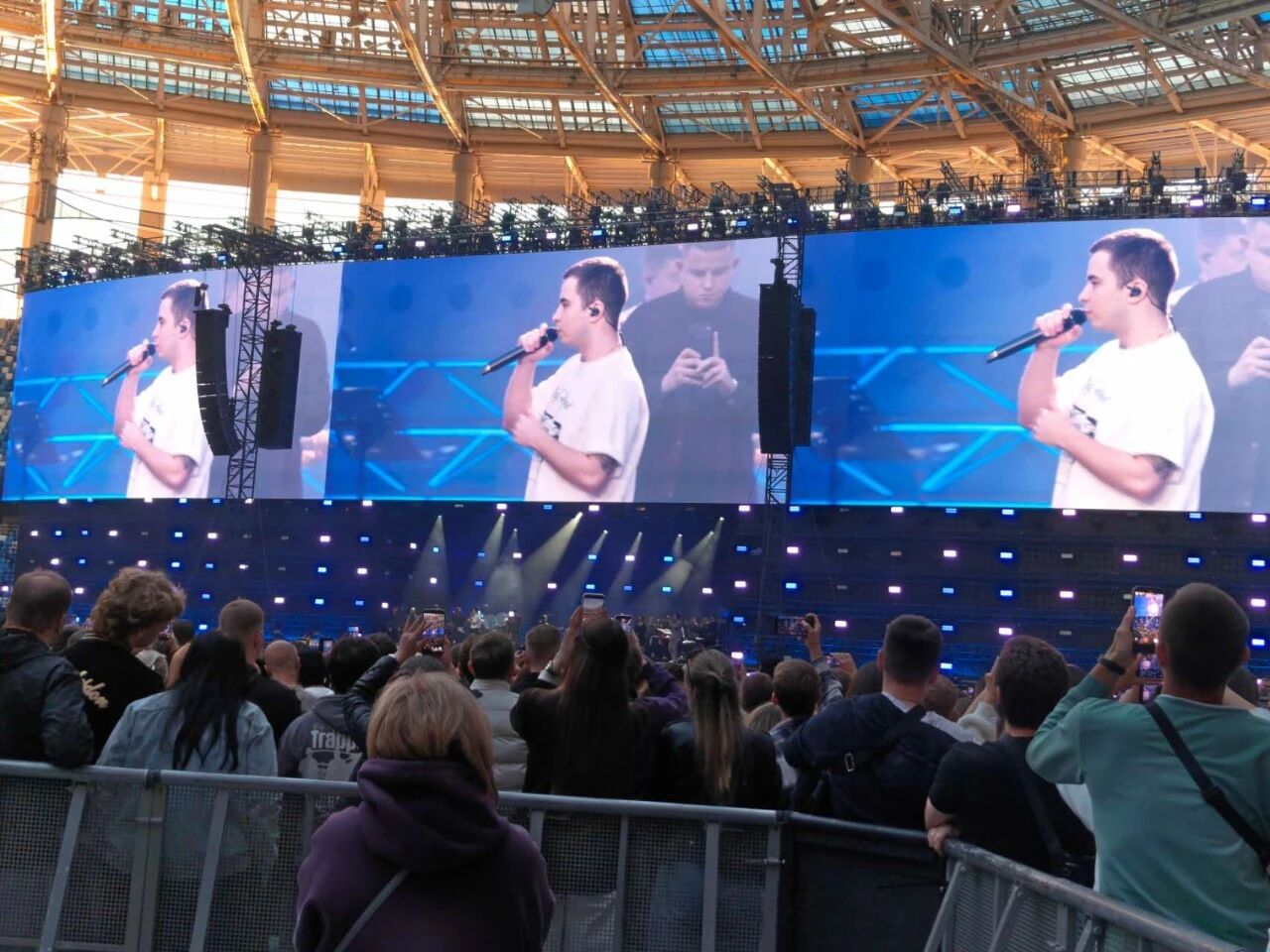
4.3 Larger Performance Spaces
Larger venues generally require more careful attention to coverage, throw distance, mounting positions, and control infrastructure.
Multiple lighting positions may be needed to achieve consistent coverage and provide different visual angles. Equipment selection should be based on the stage plan, expected audience distance, rigging capacity, and the desired level of production.
For venues hosting touring productions, compatibility with visiting production equipment and established control workflows may also be important.
In these environments, fixture quantity should be determined by the lighting design and coverage requirements rather than by a fixed number of units per stage.
5. Choose Fixtures for Different Music Genres
Lighting should complement the music and performance style. Although many venues host several genres, understanding typical requirements can help define the system's capabilities.
Performance type |
Lighting priorities |
Planning considerations |
|---|---|---|
Acoustic and singer-songwriter |
Clear performer visibility and restrained effects |
Natural-looking illumination and controlled shadows |
Rock and alternative bands |
Strong stage presence and dynamic changes |
Backlighting, color changes, and moving effects |
Electronic music and DJ sets |
Rhythmic visual effects and atmosphere |
Movement, effect timing, and coordinated cues |
Jazz and small ensembles |
Controlled illumination and subtle transitions |
Focused coverage and balanced intensity |
Mixed live entertainment |
Flexible looks for changing acts |
Adaptable fixture positions and reusable scenes |
These are general design tendencies rather than fixed rules. The venue's creative direction and performers' requirements should determine the final lighting approach.
A venue that hosts several genres should prioritize flexibility. A system with well-planned coverage and programmable scenes can often support a wider range of performances than a rig designed around one visual style.
6. Plan the Lighting Control Workflow
A live music venue may host several different performers in one week. Lighting equipment should therefore be manageable for the in-house team while remaining flexible enough for guest operators.
Before purchasing fixtures, confirm their control requirements and compatibility with the venue's console or control system.
Review:
Supported DMX modes and channel counts.
Available control protocols and required interfaces.
Fixture profiles and patching requirements.
The ability to store and recall lighting looks.
How guest operators can access the system.
Backup procedures for show files and essential control data.
For venues with a resident lighting operator, standardized fixture names and clearly documented presets can reduce repetitive setup work.
If visiting acts bring their own lighting consoles or show files, verify compatibility in advance. Fixtures with different control modes or behavior may require additional patching and programming.
A straightforward workflow is often more valuable than a complicated system that staff cannot operate confidently.
For technical teams preparing a fixture patch, FINE ART provides stage lighting DMX charts to help check fixture control information. Always confirm the correct fixture model and operating mode before programming the show.
Make fixture data part of the installation plan
Fixture profiles should be checked before equipment arrives at the venue. Confirm that the required profiles are available for the lighting console and that the selected DMX mode matches the planned patch.
The FINE ART Stage Lighting Fixture Library can help technical teams locate available fixture data. Check the file version and console compatibility before using it in a production system.
7. Consider Noise, Heat, and Operating Conditions
Lighting fixtures operate in an environment where audience comfort, performer needs, and equipment longevity all matter.
In smaller or quieter venues, fan noise or mechanical movement may be more noticeable. Where this is a concern, request documented noise information or evaluate the fixture under representative operating conditions.
Heat management also deserves attention. Check operating temperature limits, ventilation requirements, mounting conditions, and the manufacturer's instructions for continuous use.
Other factors include:
Access for routine inspection and servicing.
Protection of cables and connectors from accidental damage.
Secure mounting and appropriate safety attachments.
Transportation and storage requirements for mobile equipment.
Suitability for the venue's actual indoor or outdoor environment.
Do not assume that all moving-head fixtures have the same noise level, thermal performance, or environmental protection. Verify each model's documented specifications.
For venues with outdoor performance areas or semi-open stages, environmental protection should be checked against the actual installation conditions. Indoor-rated fixtures should not be assumed suitable for exposure to rain, moisture, or dust.
8. Integrate Lighting with Audio and Video
Live music production often involves more than lighting alone. Venues may use video displays, cameras, recording systems, audio equipment, and stage automation.
Lighting plans should account for these systems early in the design process.
For example, camera-based performances may require additional testing of flicker, dimming behavior, and color consistency. Fixtures that look satisfactory to the audience may produce unwanted artifacts on camera under certain settings.
Lighting and video teams should coordinate:
Screen placement and camera positions.
Beam directions and camera sightlines.
Key lighting levels for performers.
Dimming behavior and refresh-related considerations.
Synchronization requirements for lighting and other show elements.
Where lighting effects are synchronized with music or other show elements, the team should define the required triggering and control workflow and confirm that the selected equipment supports it.
Compatibility should be checked against the actual equipment and production requirements rather than assumed from general product descriptions.
9. Evaluate Installation, Maintenance, and Service Support
A live music venue's lighting system is a long-term operational asset. Fixtures may be used repeatedly across different acts, with limited time available for servicing between shows.
Before purchasing, consider how the equipment will be installed, inspected, cleaned, repaired, and replaced.
A useful evaluation includes:
Fixture weight, dimensions, and mounting requirements.
Power consumption and electrical installation needs.
Access to manuals, fixture profiles, and technical documents.
Warranty coverage and repair procedures.
Availability of spare parts.
Expected maintenance intervals and approved cleaning methods.
Supplier responsiveness and technical support.
For venues with a regular performance schedule, the ability to identify faults and obtain service support promptly can be particularly important.
Rental companies and venues that maintain larger fixture inventories should also consider consistency between units, transportation protection, and the availability of compatible replacement equipment.
Before installation, technical teams should retain product manuals, wiring information, fixture data, and maintenance records in an accessible location. This can make troubleshooting and equipment replacement more efficient.
10. Balance Purchase Price with Long-Term Value
A lighting system should be evaluated according to its overall suitability and cost of ownership, not only its initial price.
A low-cost fixture may be appropriate for a simple application, while another venue may benefit from equipment with different optical functions, broader control options, or better compatibility with its existing system.
Compare products using consistent criteria:
Lighting performance for the intended venue.
Compatibility with the control system and production workflow.
Installation and power requirements.
Maintenance needs and repair support.
Flexibility across different performance styles.
Warranty terms and spare-parts availability.
Transportation, storage, and expected utilization.
Avoid purchasing features that the venue is unlikely to use, but do not remove essential capabilities simply to reduce the initial budget.
The most suitable system is one that meets the venue's real requirements and can be operated and maintained effectively over time.
For venues comparing suppliers, it is also useful to review product documentation, technical support arrangements, and the manufacturer's experience with professional stage lighting applications. FINE ART's company information provides further background for buyers evaluating the manufacturer.
11. Live Music Venue Lighting Buyer’s Checklist
Before finalizing an equipment purchase, review the following points:
A venue can use this checklist as a starting point for preparing a fixture specification or discussing the project with a lighting supplier.
Frequently Asked Questions
1. What lighting is best for a live music venue?
The best lighting setup depends on the venue's dimensions, ceiling height, performance styles, audience layout, and budget. Many venues benefit from a combination of broad stage illumination, moving effects, and selected spot or effect fixtures, but the exact package should be designed around the venue's requirements.
2. How many moving head lights does a music club need?
There is no universal number. The required quantity depends on stage width, mounting positions, beam angle, desired coverage, and the role of moving effects in the show. A lighting plot and coverage assessment can help determine an appropriate fixture count.
3. Are moving head lights suitable for small music clubs?
They can be, provided their size, output, beam characteristics, movement, and mounting requirements suit the room. In venues with low ceilings, fixture placement and beam direction are particularly important for managing glare and audience comfort.
4. What should a venue check before buying stage lighting fixtures?
Check lighting performance, control compatibility, installation and power requirements, noise, ventilation, maintenance, warranty, and spare-parts support. If cameras are used, test relevant dimming and flicker behavior under the intended settings.
5. How can a live music venue make lighting easier to operate?
Use consistent fixture labeling, documented patch information, reusable lighting scenes, clear control procedures, and staff training. These practices can reduce repetitive programming and help operators prepare for different performers more efficiently.
6. Should a live music venue choose LED stage lighting?
LED fixtures can offer flexible color control and a range of fixture formats for different venue requirements. Buyers should compare actual output, optical performance, power requirements, dimming behavior, maintenance needs, and the suitability of each model for the intended application.
Conclusion
Choosing lighting for a live music venue requires a balance between creative flexibility, practical coverage, ease of operation, and long-term reliability.
The most effective design starts with the venue's layout and performance requirements, then matches fixture types, placement, control systems, and installation needs to those conditions. Small clubs, medium-sized music rooms, and larger performance spaces may require different approaches, even when they host similar music genres.
By evaluating equipment according to real operating requirements rather than headline specifications alone, venue operators can build a lighting system that supports a wider range of performances and remains manageable for their technical teams.
About FINE ART
FINE ART is a professional stage lighting brand under Guangzhou CAIYI Technology Co., Ltd. The company develops and manufactures professional lighting equipment for applications including concerts, theaters, TV productions, and live entertainment.
For live music venues, selecting the right equipment starts with understanding the stage layout, performance requirements, control system, and installation conditions. Venue operators and project teams can review FINE ART's product information and contact the company to discuss suitable lighting options for their projects.


