


LED Moving Head Light Guide: How It Works and Stage Lighting Applications


LED moving head lights have become one of the most essential components in modern stage lighting systems. From concerts and theaters to TV studios, live events, and outdoor projects, these intelligent fixtures play a critical role in creating dynamic visual experiences.
With the rapid development of LED technology, stage lighting has evolved from traditional light sources to more efficient, intelligent, and versatile solutions. Compared to conventional fixtures, LED moving head lights offer lower power consumption, longer lifespan, higher stability, and greater flexibility.
1. How LED Moving Head Lights Work
An LED moving head light is an intelligent lighting fixture that can automatically move and produce various lighting effects. Its operation is based on the integration of motion systems, optical systems, and electronic control.
• Pan and tilt motors allow the fixture to move horizontally and vertically
• LED light source delivers high brightness and fast color changes
• DMX protocol enables remote programming and control
• Multiple parameters such as dimming, color, movement, and effects can be synchronized
This combination allows lighting designers to create complex and dynamic stage effects.
2. Key Components of LED Moving Head Lights
A professional LED moving head light consists of several core systems:
• Optical system: controls beam angle, focus, and output quality
• Color system: enables color mixing via CMY or color wheels
• Gobo system: projects patterns and visual effects
• Effects system: includes prism, frost, and strobe functions
• Motion system: ensures smooth and precise pan/tilt movement
• Control system: supports DMX and RDM protocols
Together, these components provide high flexibility and creative possibilities.
3. Beam vs Spot vs Wash Lights
LED moving head lights are typically divided into three main types:
Beam Lights
• Extremely narrow beam angle (typically 2°–5°)
• High intensity and strong penetration
• Ideal for aerial effects
Applications:
• Large concerts
• Outdoor stages
• Light shows
Spot Lights
• Supports gobo projection
• Capable of dynamic visual effects
• Precise focus control
Applications:
• Theaters
• TV productions
• Stage performances
Wash Lights
• Wide and soft light output
• Even color coverage
• Smooth color transitions
Applications:
• Background lighting
• Ambient effects
• Architectural lighting
4. The Rise of 3-in-1 Moving Head Lights
Modern stage lighting increasingly favors 3-in-1 fixtures that combine Beam, Spot, and Wash functions.
Advantages include:
• Reduced number of fixtures
• Lower transportation and setup costs
• Greater flexibility in lighting design
• Improved efficiency for multi-scene applications
Example product:
https://www.fineart-light.com/fine-600-bsw-ip
These fixtures are widely used in touring, rental, and large-scale productions.
5. Outdoor Applications and IP Ratings
As outdoor events and cultural tourism projects grow, IP-rated lighting fixtures are becoming essential.
Common IP ratings:
• IP65: protection against water spray and dust
• IP66: high-level waterproof and dustproof protection
Benefits of IP-rated fixtures:
• Reliable performance in harsh environments
• Reduced maintenance costs
• Long-term outdoor operation
Typical applications:
• Outdoor concerts and festivals
• Cultural tourism lighting projects
• Architectural lighting
• Sports events
6. Lighting Control Systems
LED moving head lights are controlled through DMX lighting systems.
A complete system includes:
• Lighting console
• DMX node (signal distribution)
• Lighting fixtures
Modern systems also support:
• Art-Net
• sACN
• RDM communication
Control system reference:
https://www.fineart-light.com/tekmand-g3-pro
7. Applications of LED Moving Head Lights
LED moving head lights are widely used in various industries:
• Concerts and music festivals: dynamic lighting effects
• Theaters and stage productions: precise lighting control
• TV studios: stable and consistent lighting
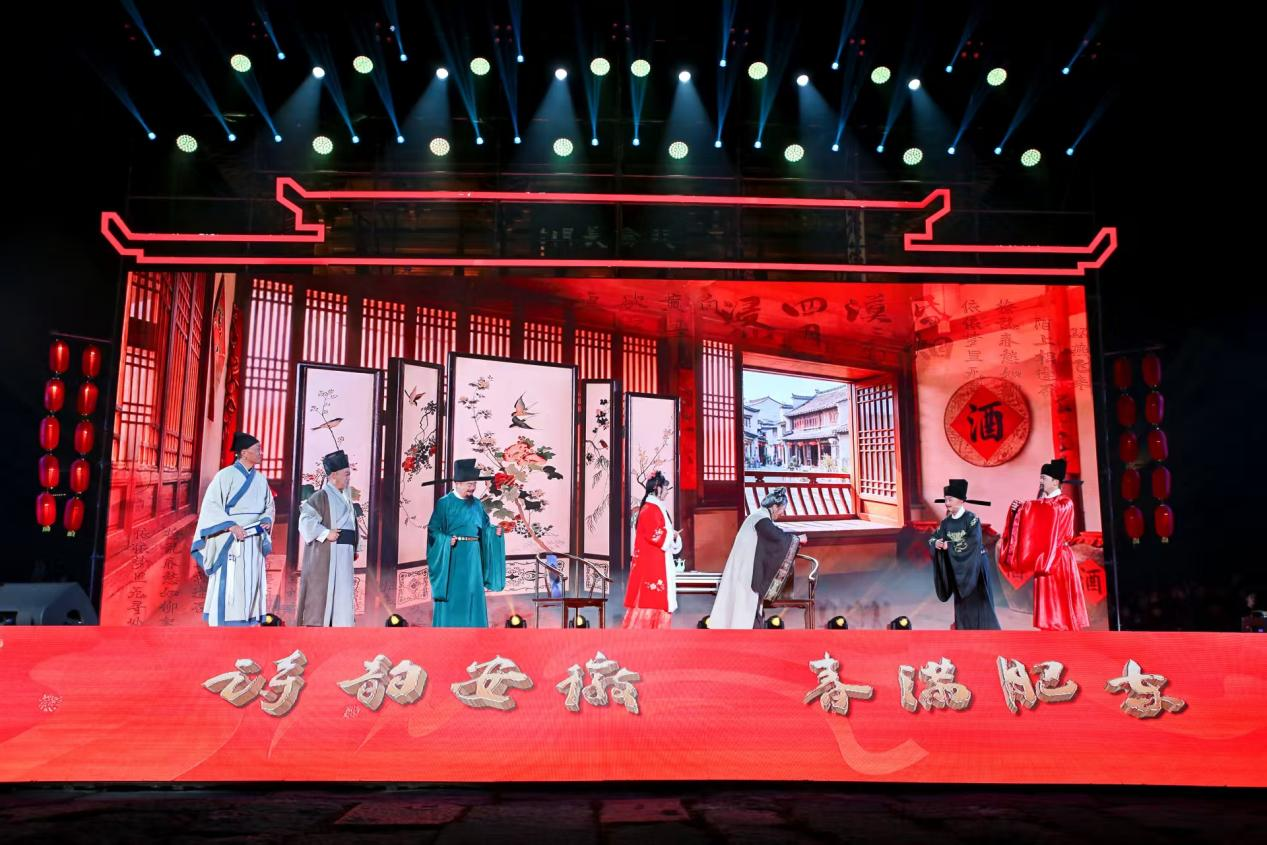
• Cultural tourism projects: long-term outdoor lighting
• Exhibitions and auto shows: enhanced visual presentation
Project examples:
https://www.fineart-light.com/project
8. How to Choose the Right LED Moving Head Light
When selecting a fixture, consider the following factors:
• Function type: Beam, Spot, Wash, or 3-in-1
• Environment: indoor or outdoor (IP rating required or not)
• Control compatibility: MA, Avolites, or other systems
• Project scale: number of fixtures and system complexity
• Budget and maintenance costs
Choosing the right fixture can significantly improve performance while reducing costs.
9. Future Trends
The future of LED moving head lights includes:
• Higher brightness with lower energy consumption
• Smarter control systems (cloud integration)
• Greater compatibility with multiple platforms
• Lightweight and modular design
Conclusion
LED moving head lights are at the core of modern stage lighting systems. From basic illumination to advanced visual effects, they play a vital role in delivering high-quality lighting experiences.
Understanding how they work and how to apply them effectively is essential for lighting designers, engineers, and event professionals.
About FINE ART
FINE ART is a professional manufacturer specializing in stage lighting equipment and control systems. Its product range includes LED moving head lights, outdoor IP-rated fixtures, lighting consoles, and integrated lighting solutions.
FINE ART products are widely used in concerts, theaters, TV studios, cultural tourism projects, and large-scale events. With strong technical expertise and continuous innovation, the company provides reliable and high-performance lighting solutions worldwide.


